01 — Self-portraits
Emotional cartography: self-portrait, temporality, and chromatic variation — Alexander H. Mabry
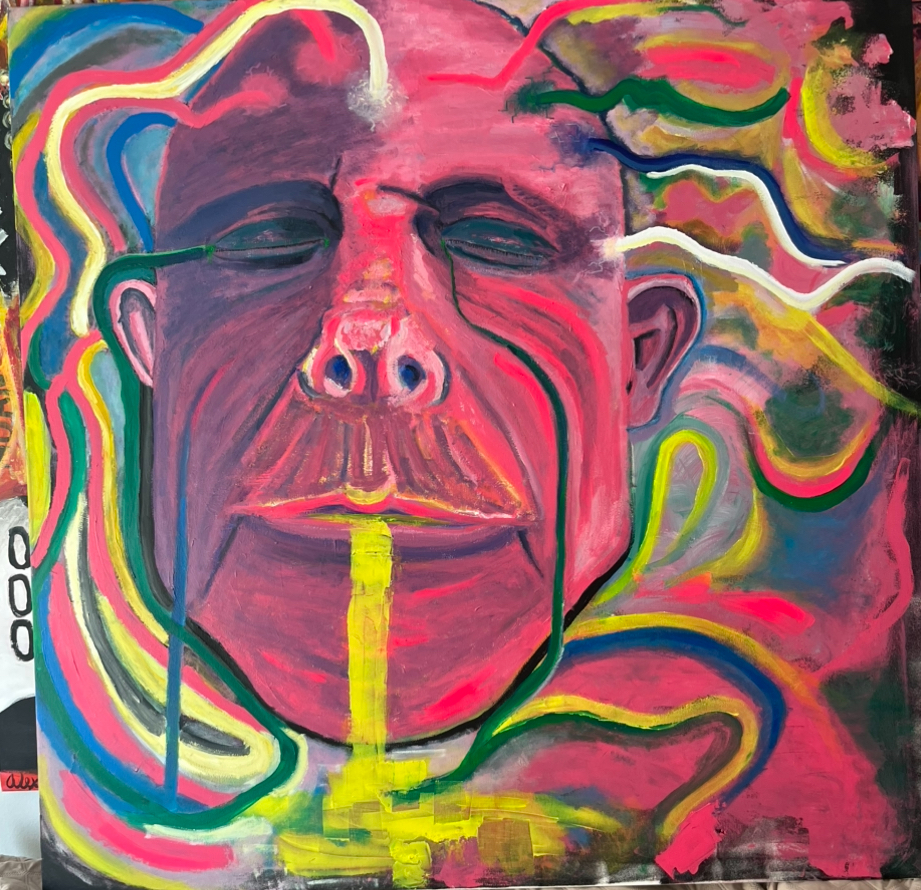
I paint myself to discover what a face does when it stops trying to be one.
I. Acrylic
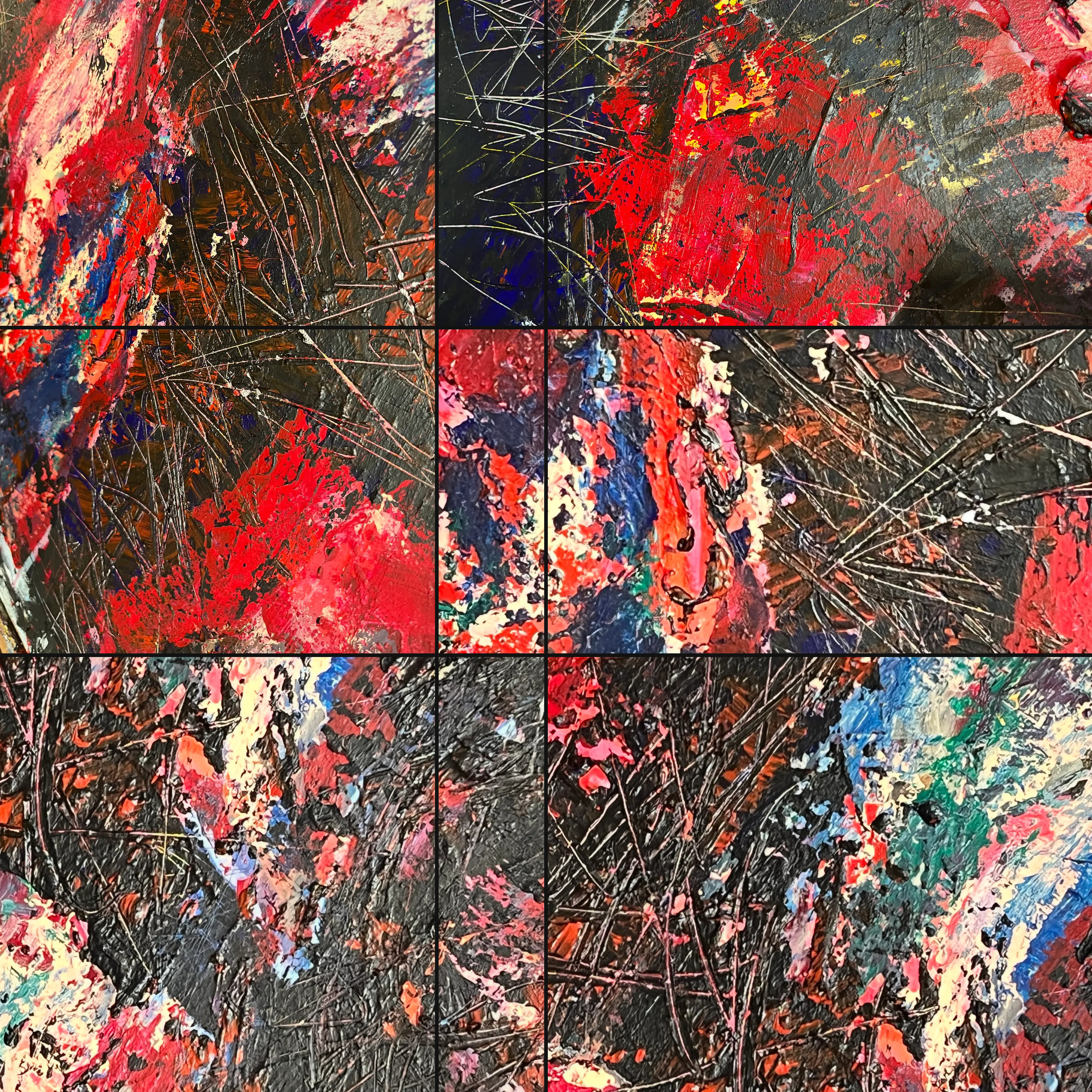
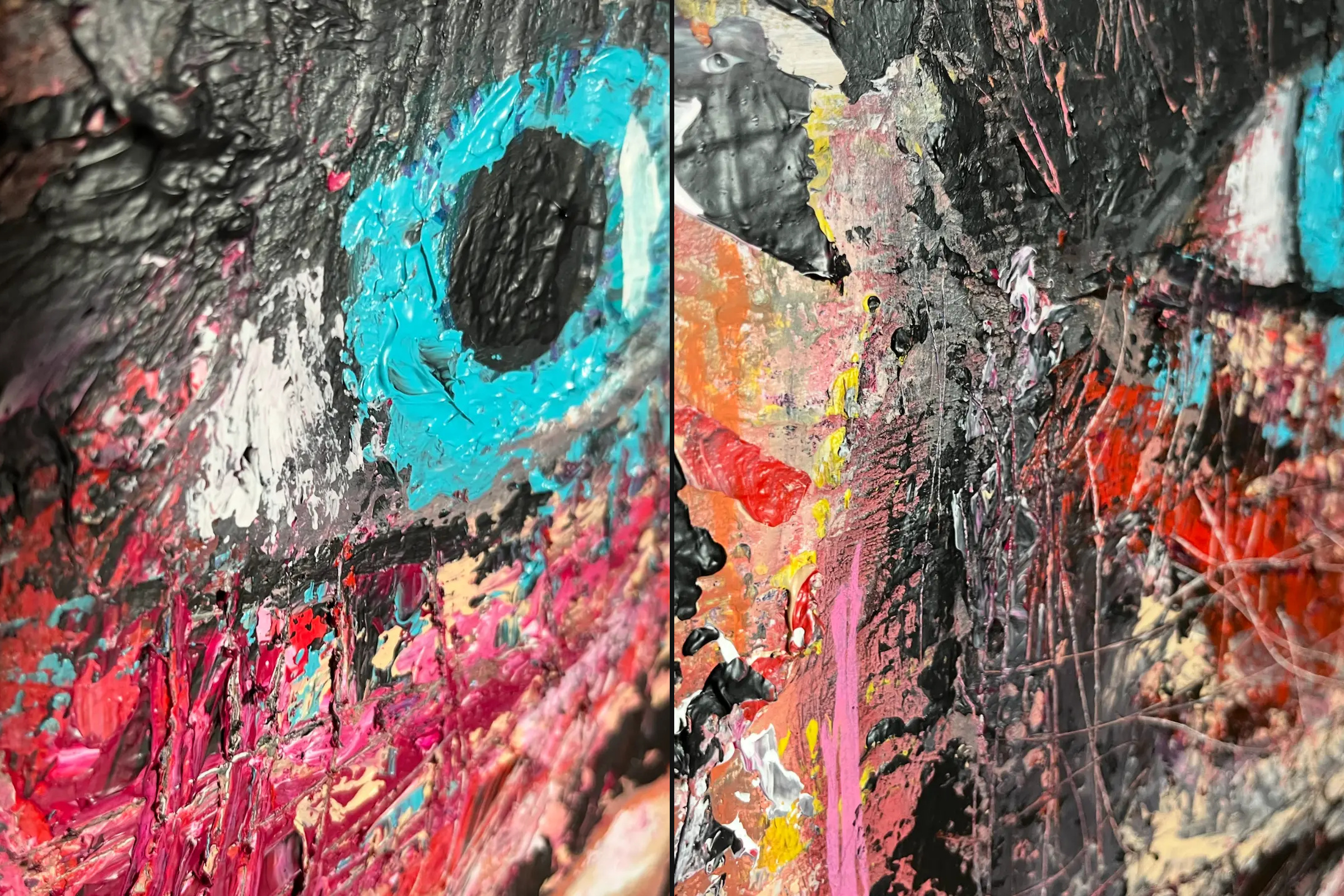
All works are made in acrylic and, in some cases, incorporate wax, acrylic markers, and spray paint. This combination of materials allows for immediacy, fast drying, and a strong capacity for intervention during the process. The image is built intuitively, evolving simultaneously in thought and on the canvas. Each work incorporates changes, impulses, and spontaneous decisions as the piece takes shape. The process, format, and execution decisions of each work are determined by the moment and mood, transferring the emotional impulse to the canvas with minimal interference in the creation process itself. At the same time, the evolution of the overall body of work becomes evident over time, achieving greater complexity and richness of nuance.
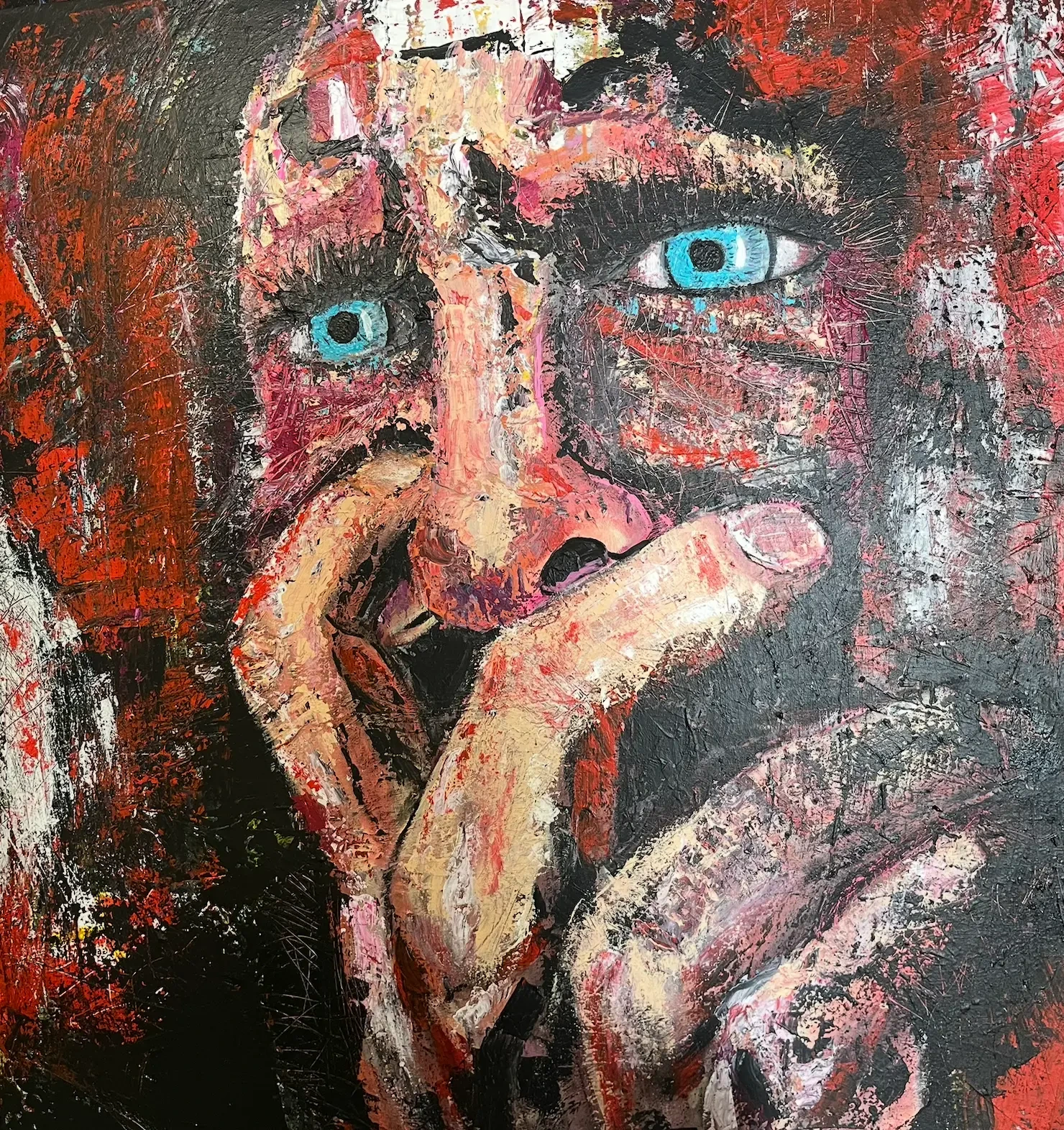
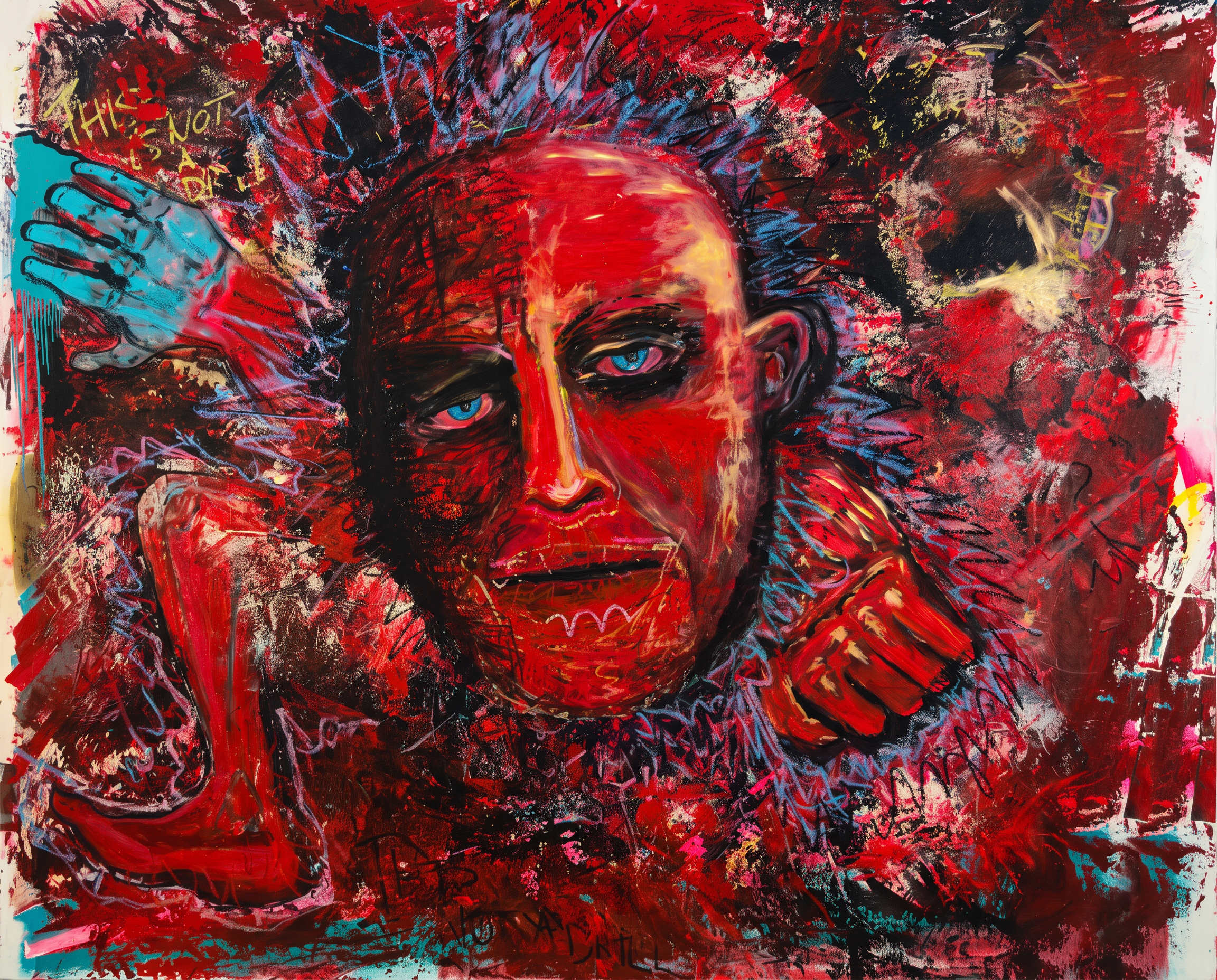
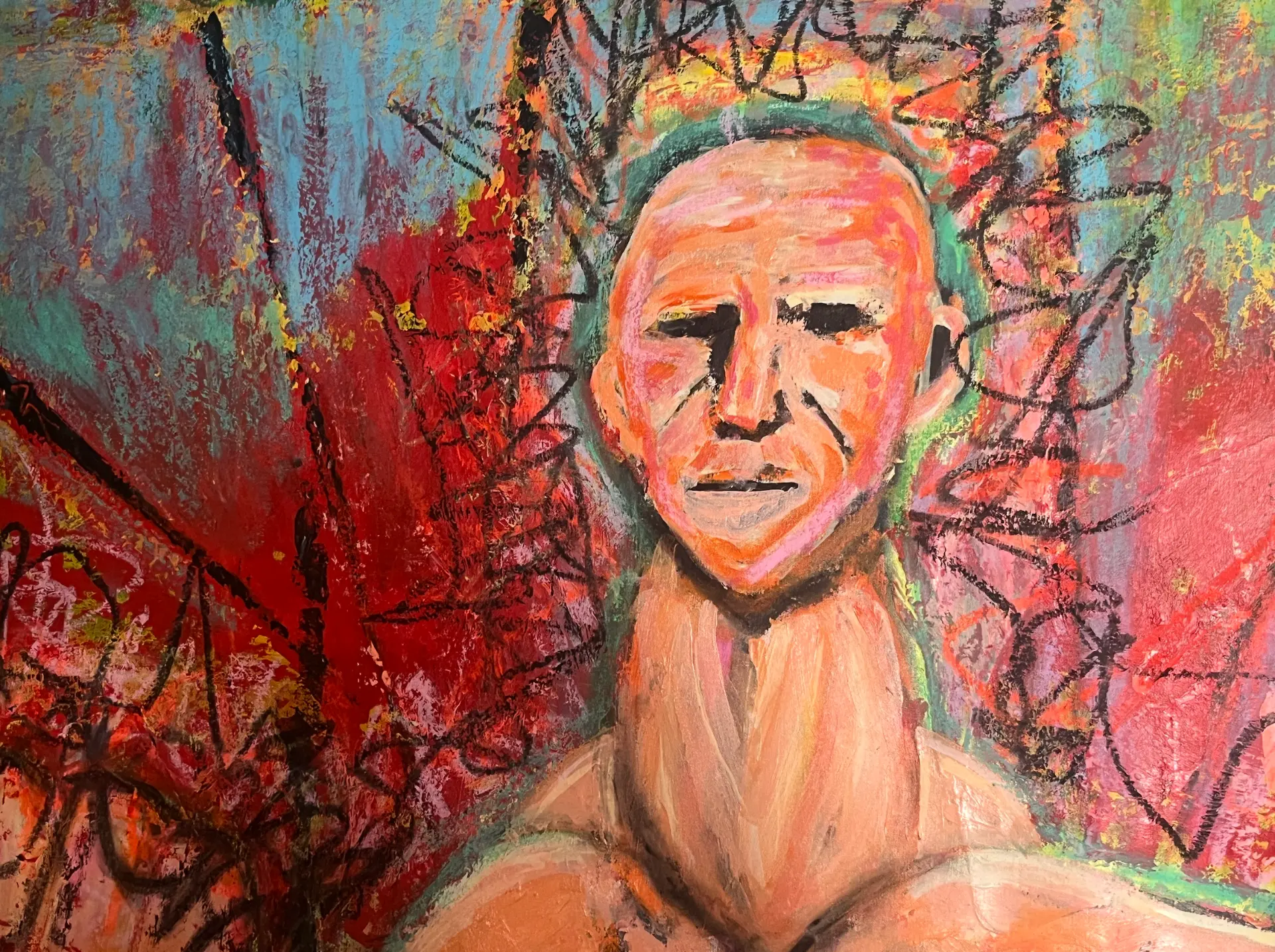
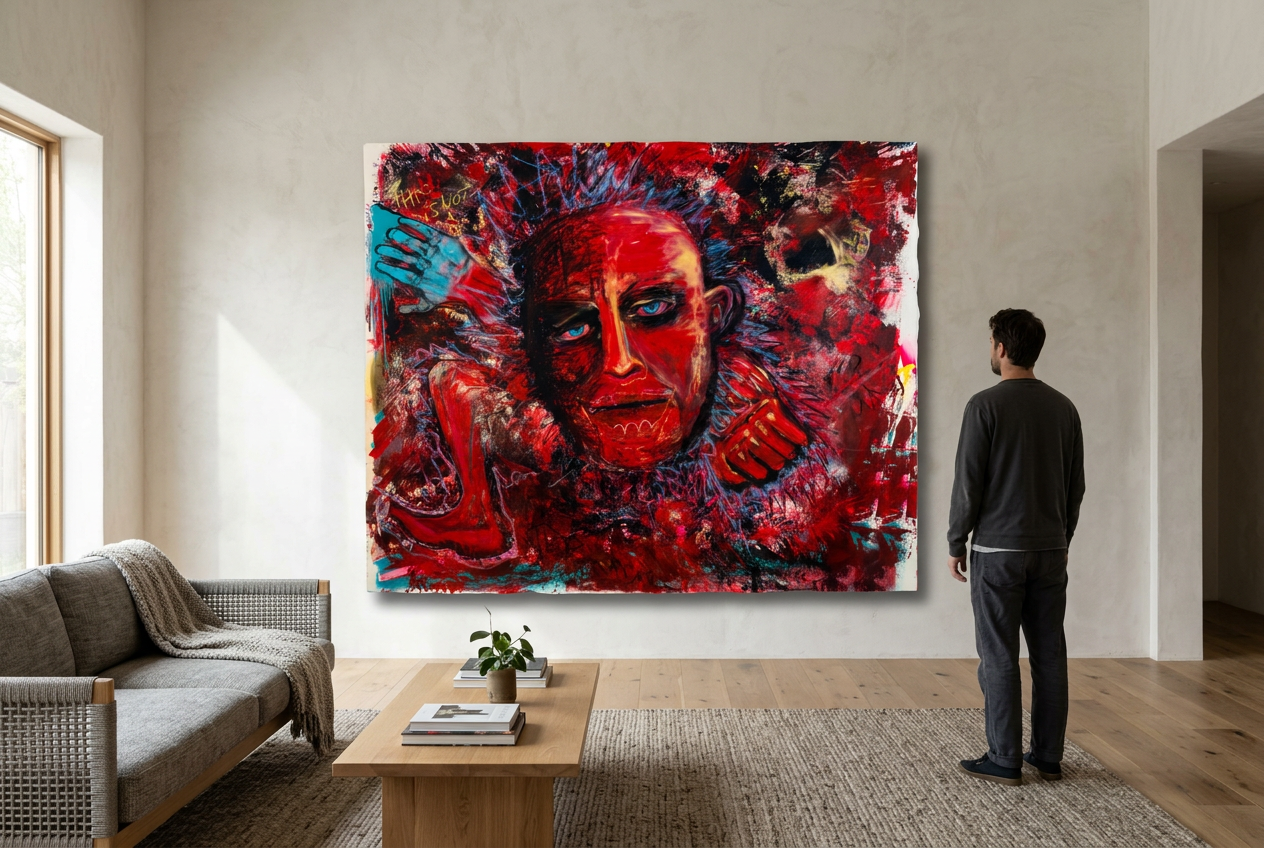
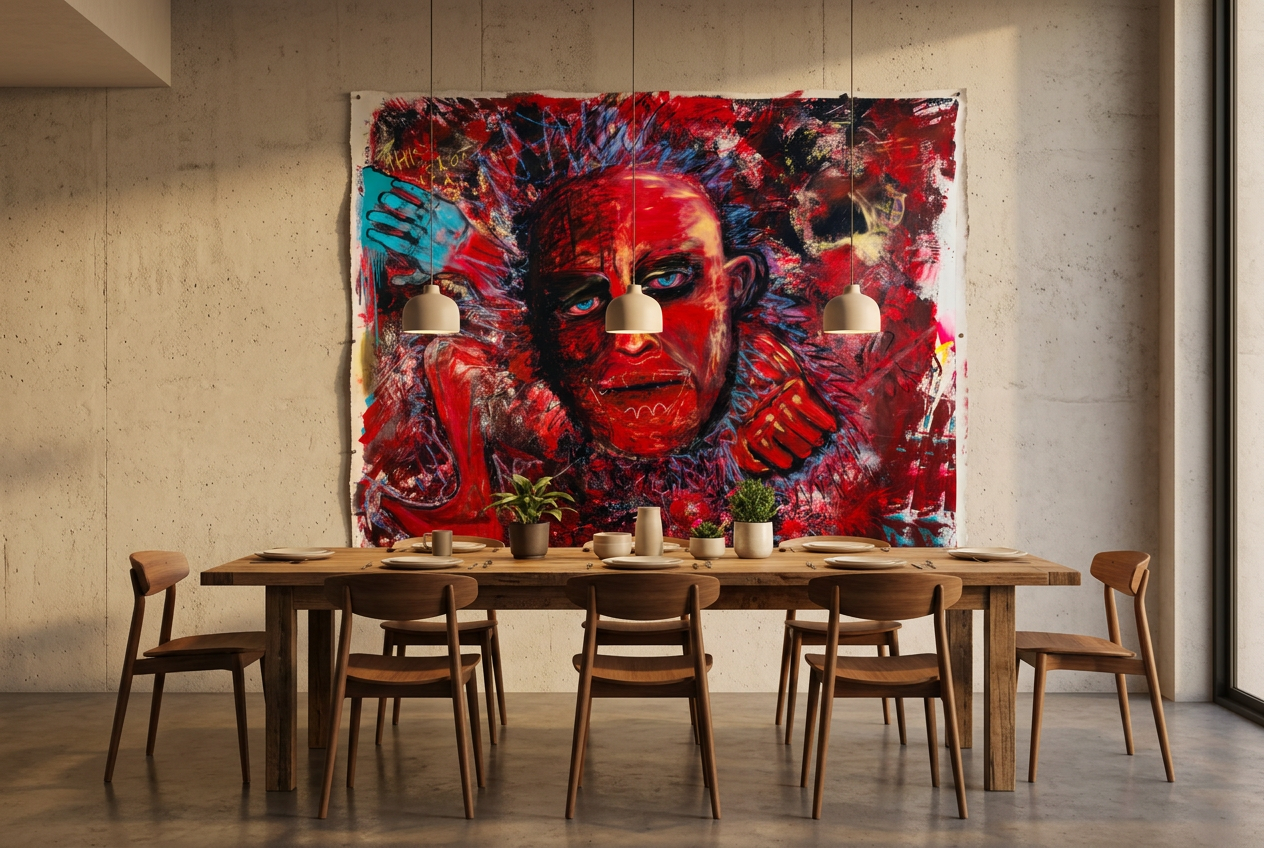
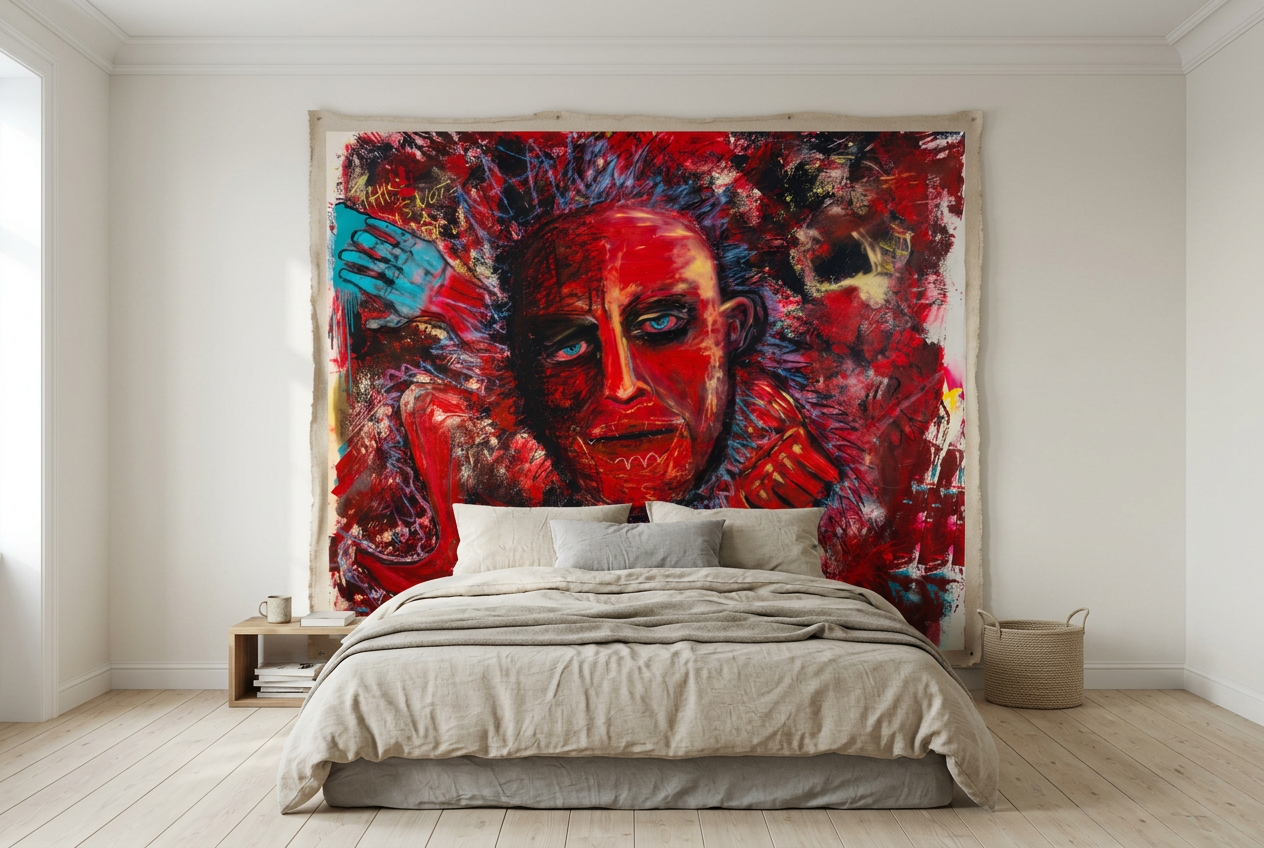
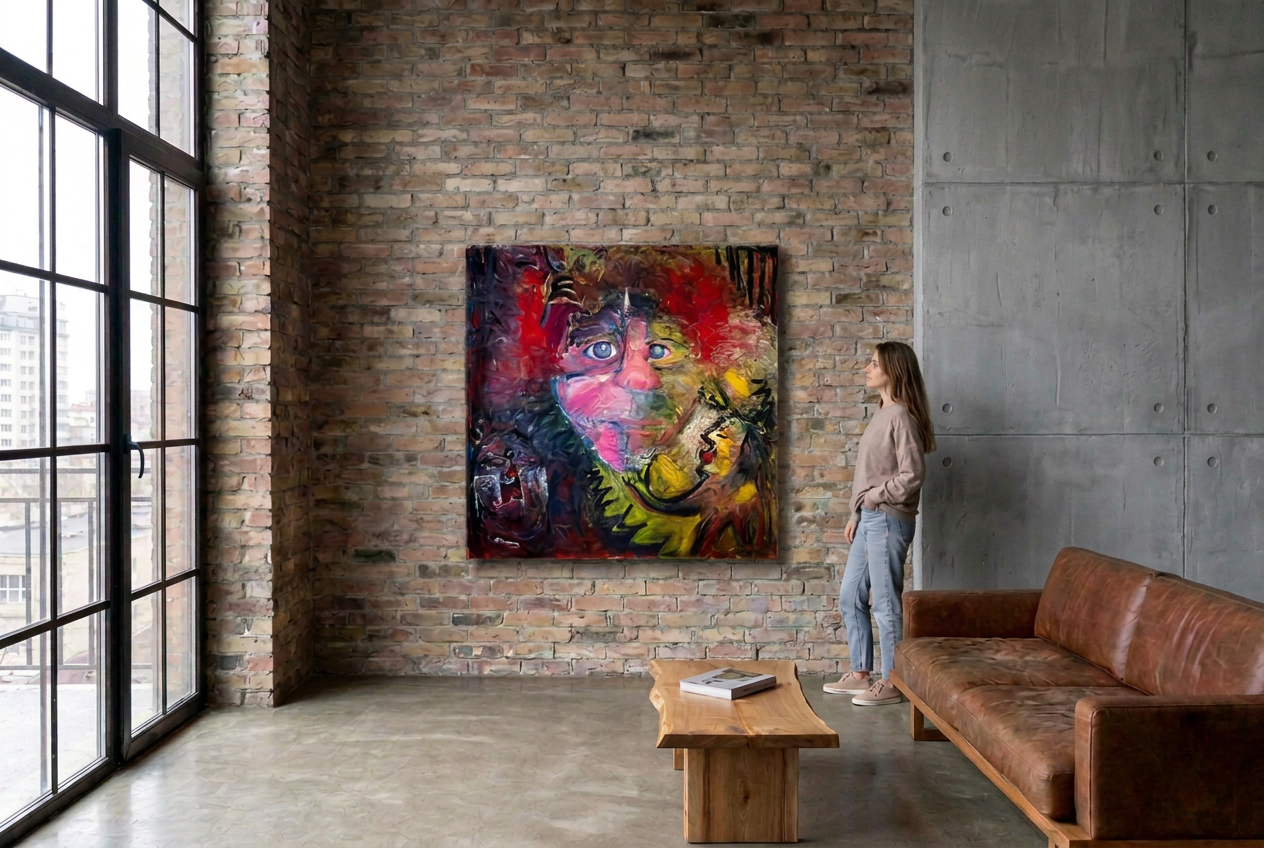
A face emerges from the red as if the paint itself decided to reveal it. The figure appears half-formed, held in place by two black columns that pin it to the canvas without ever fully unveiling it.

Passion, pain, and illness are the foundation of this honest self-portrait.

Self-portrait III — Dissociation. 30x40
II. Tension
The artistic practice also emerges as a tool for observation, focus, and emotional channeling. Living for years with ADD, anxiety, and depressive episodes, creation has consistently worked as a space for concentration, exploration, and release — a way of transforming scattered attention, mental noise, and emotional intensity into visual and narrative language.
That tension between the need for recognition and the search for honest creation runs through much of the project. The work thus becomes a territory of negotiation between impulse and control, between chaos and synthesis.

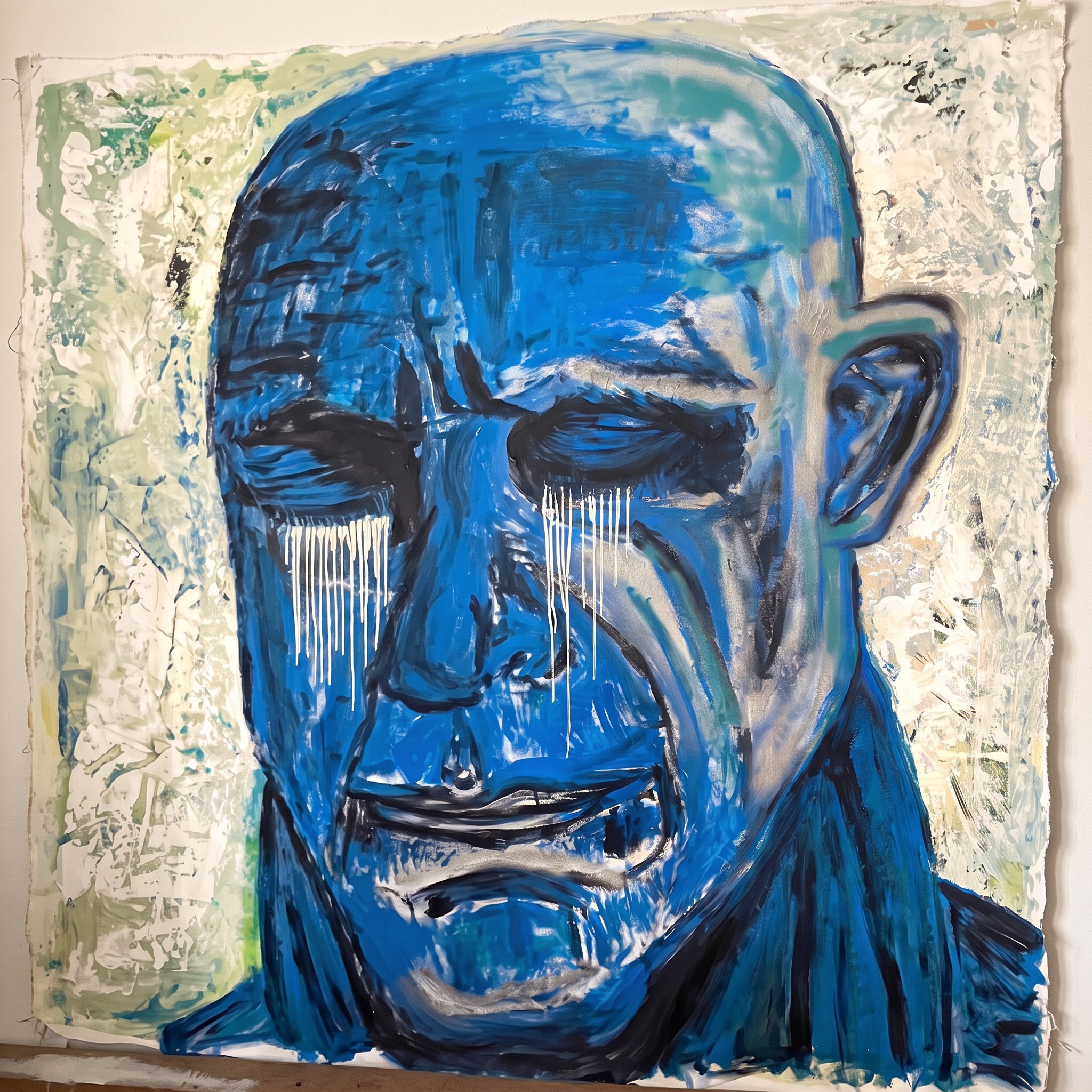
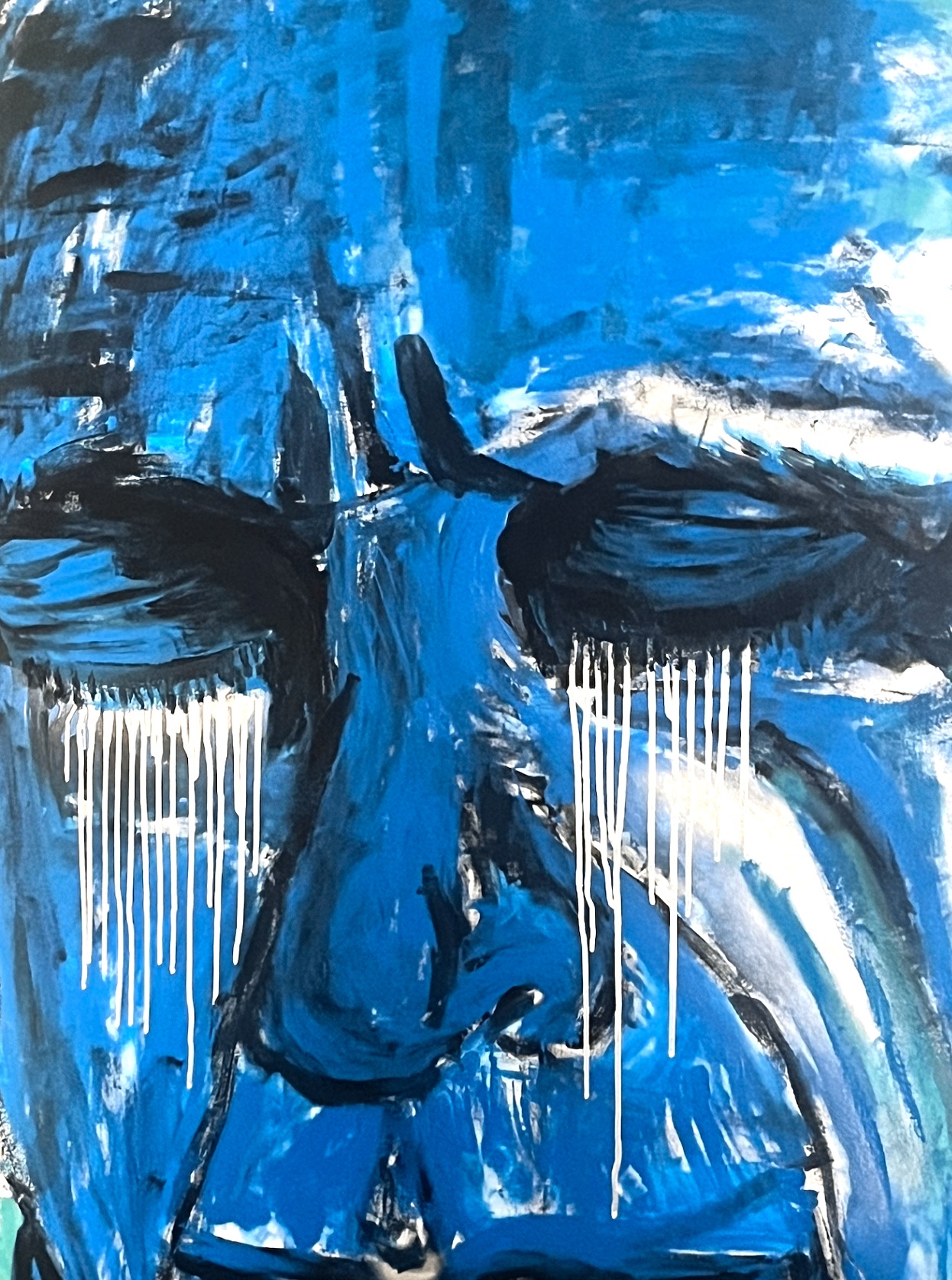
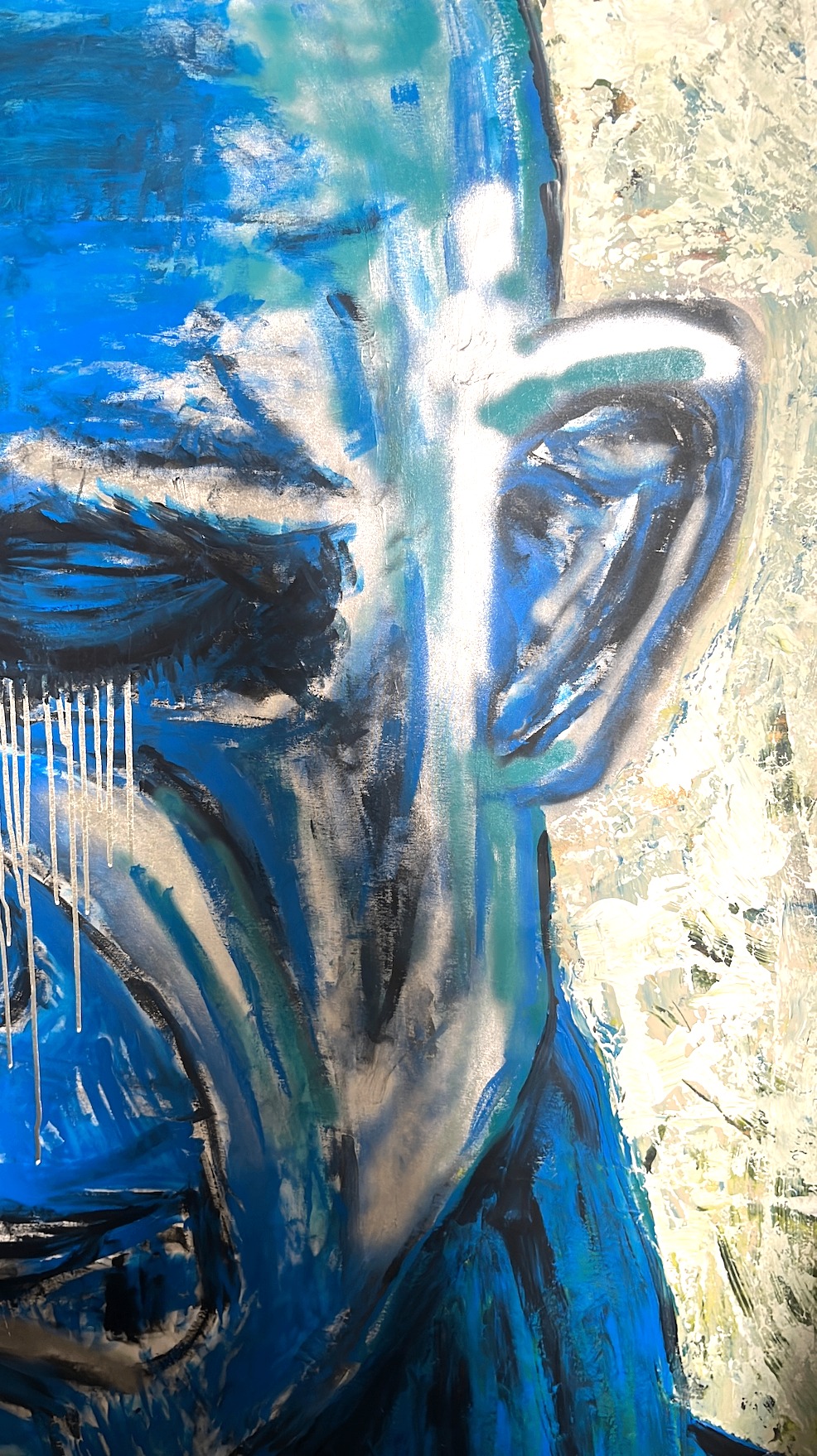
Self-portrait IV — Rage. 60x80 — Not available

Connection, meditation, energy, and supraconsciousness.

The image I project is only makeup that runs at the slightest gust of wind.
III. Process
The creative process is based on repetition — understood not as mechanical reiteration but as a method of refinement. Through the accumulation of faces, gestures, and variations, the images gradually shed the superfluous until they approach what they truly need to be.
Rather than representing closed identities, the pieces work as emotional traces in constant transformation.

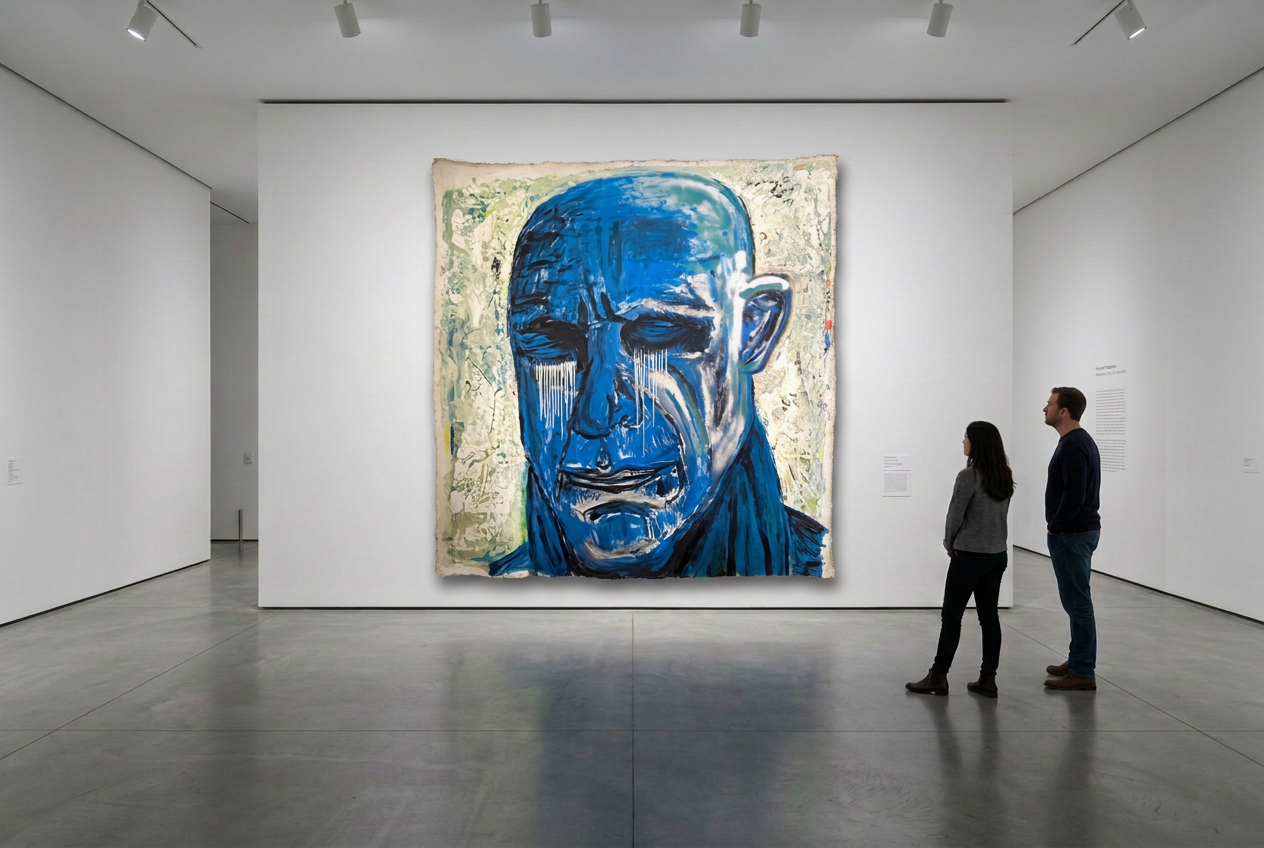
Purge and release, in black and white.

Rawness and fragility against an unsettling, ghostly reality.

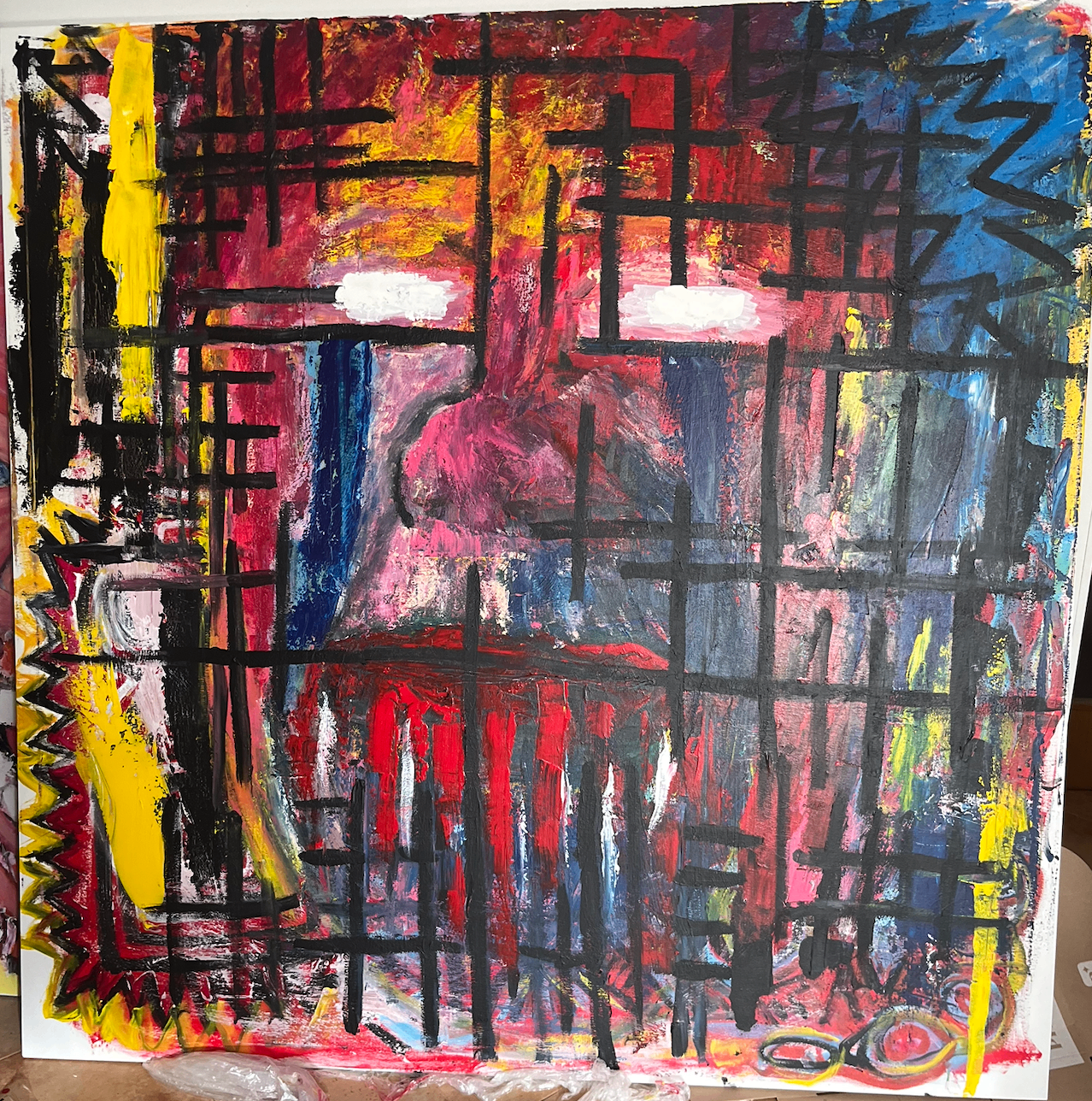
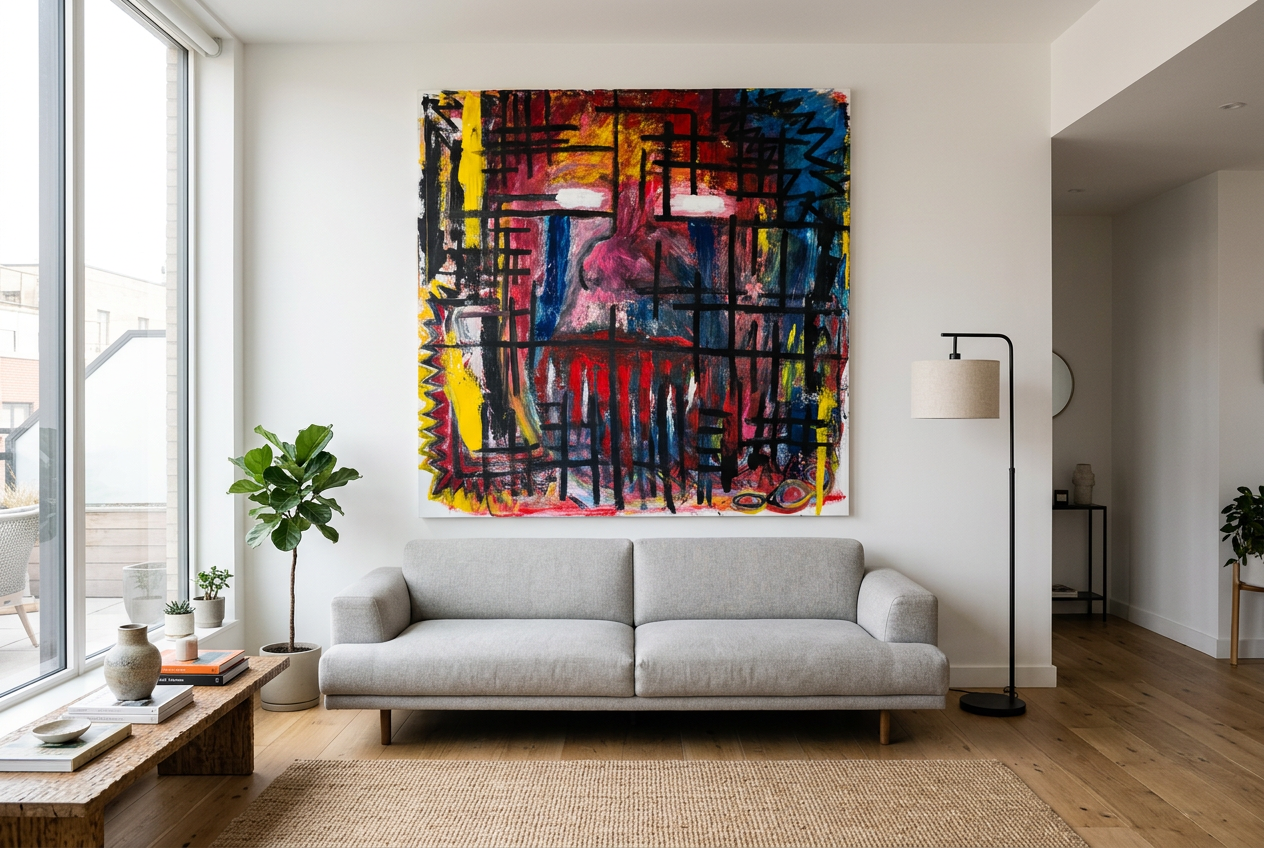
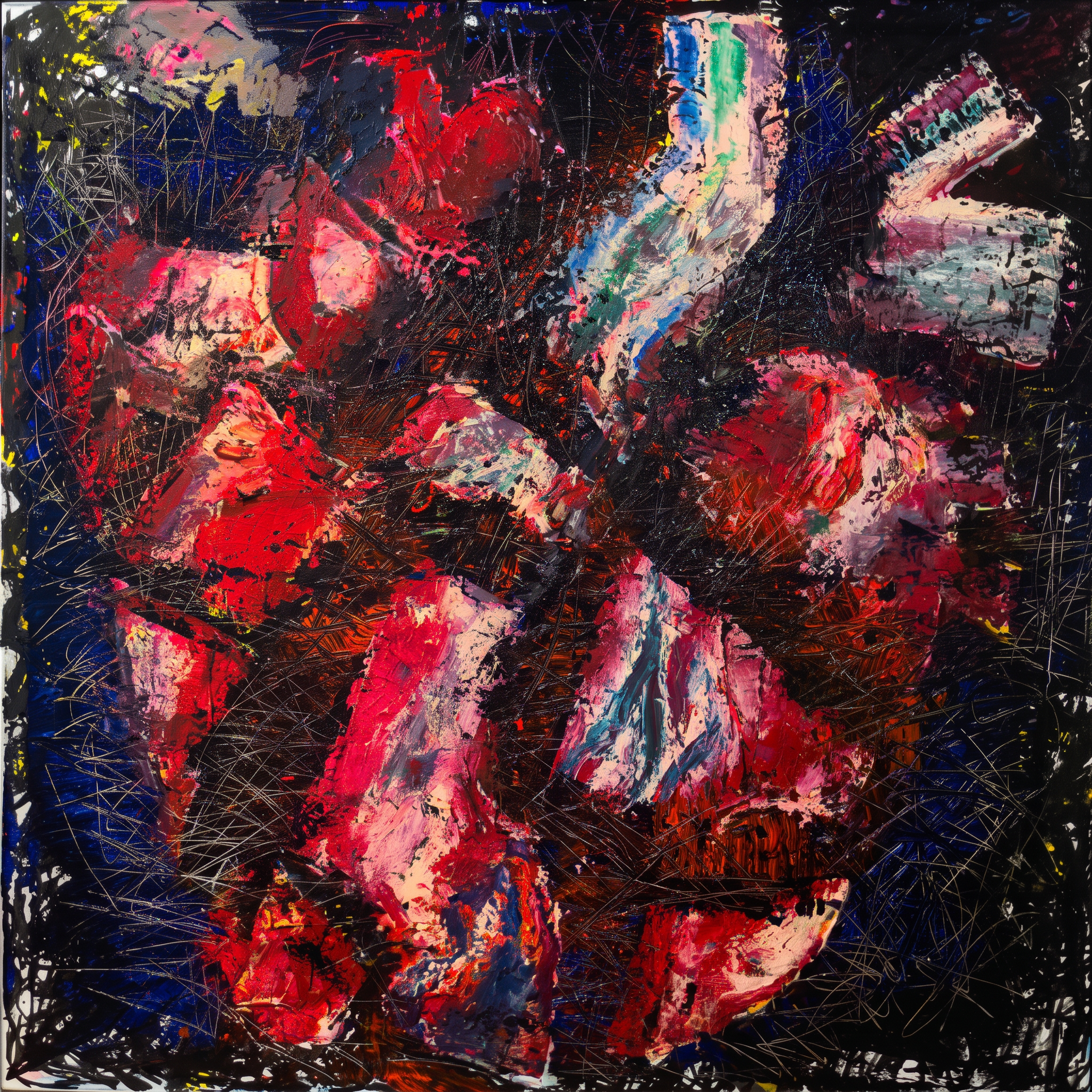
An abstract pause within the series: a grid of color blocks that works as a mental self-portrait. No face, only the plane of crossing thoughts.

The face that comes to light is the one with the least light. Self-portrait painted over successive self-portraits.

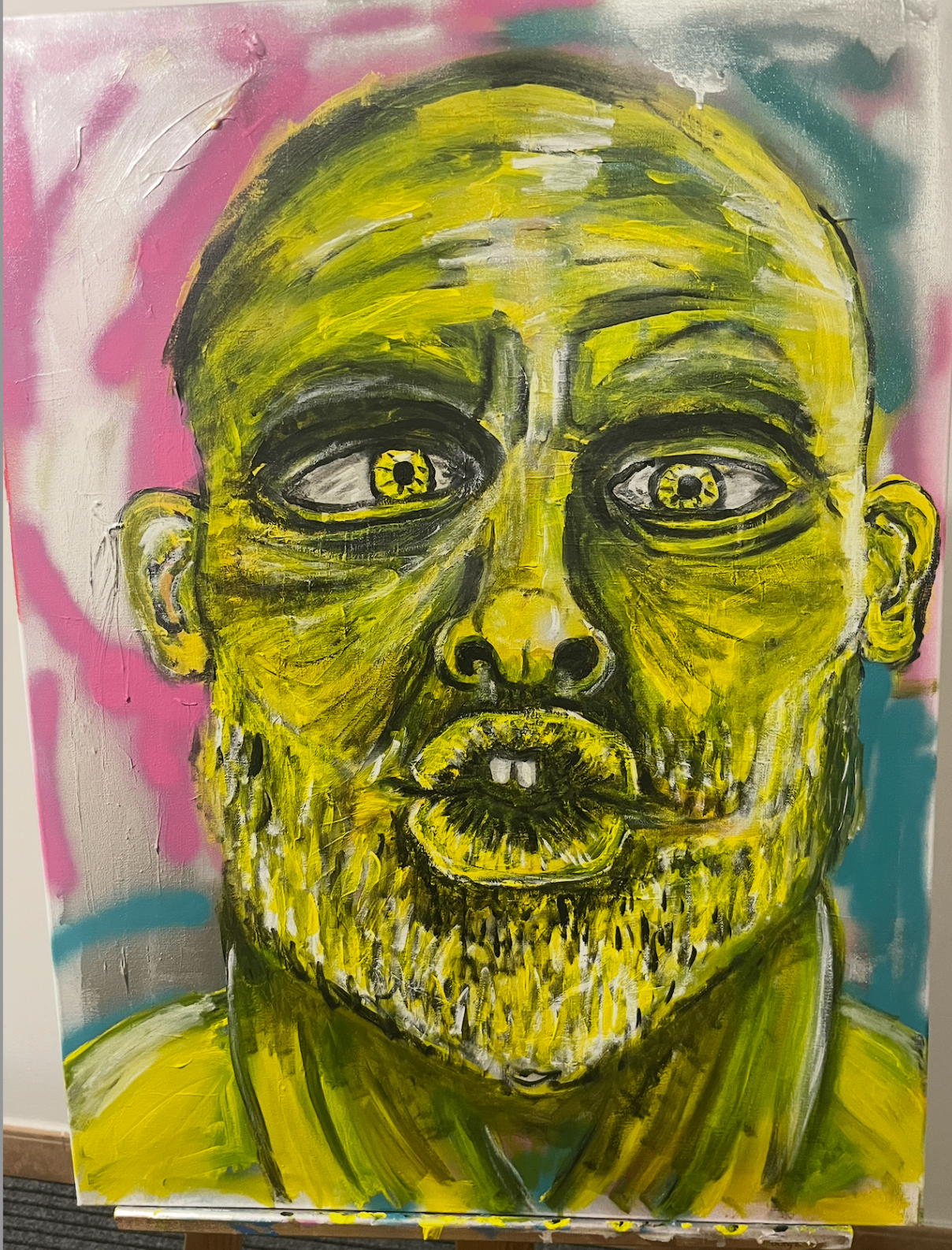
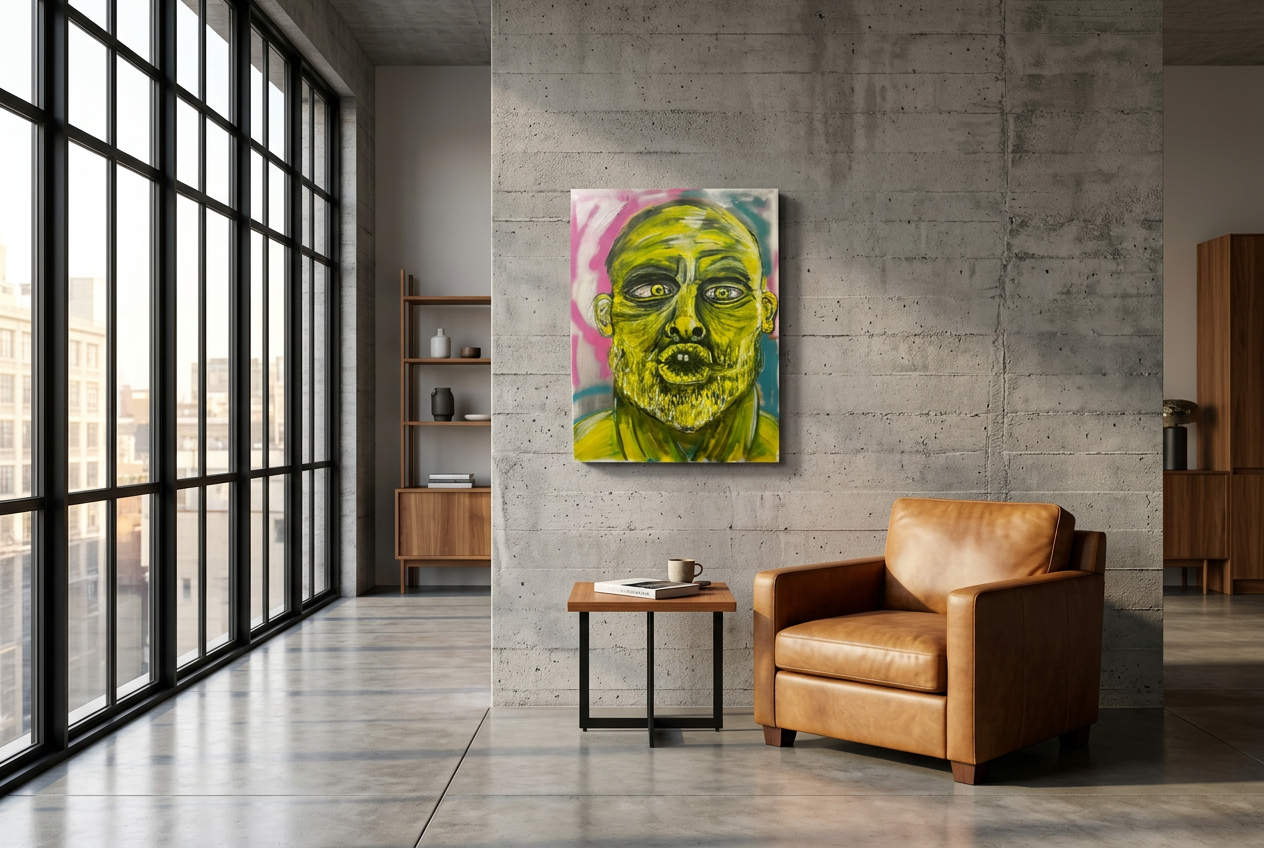
A forced laugh against an impossible yellow. The smile is so wide it becomes a wound — joy pushed to the point where it stops being joy.

A face dissolving into green tides. Underwater portrait of the days when thought goes mute and only color remains.

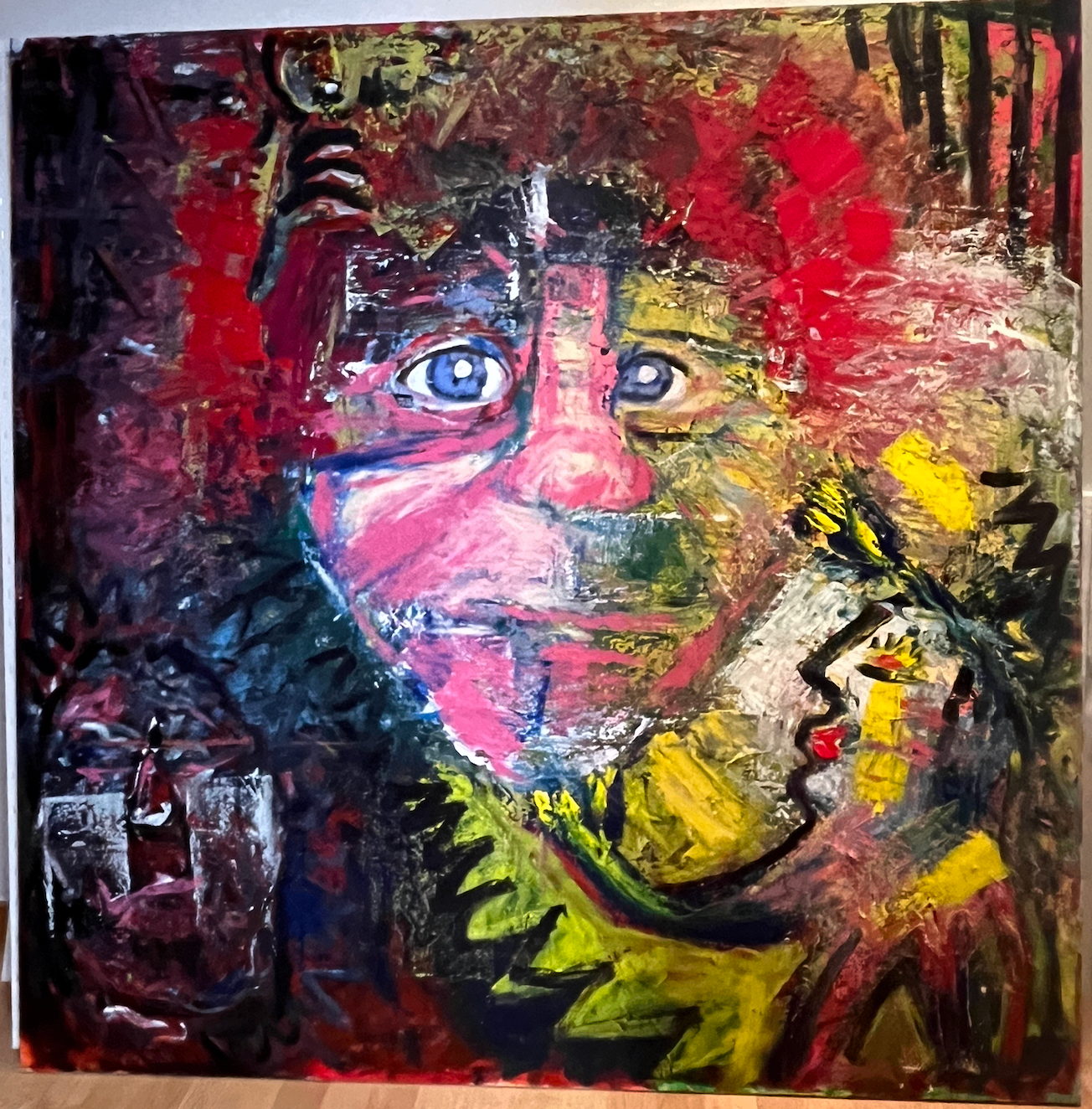
Skin and shadow torn open by gesture. The face surfaces in fragments, half-erased, between blood, ash, and cream.

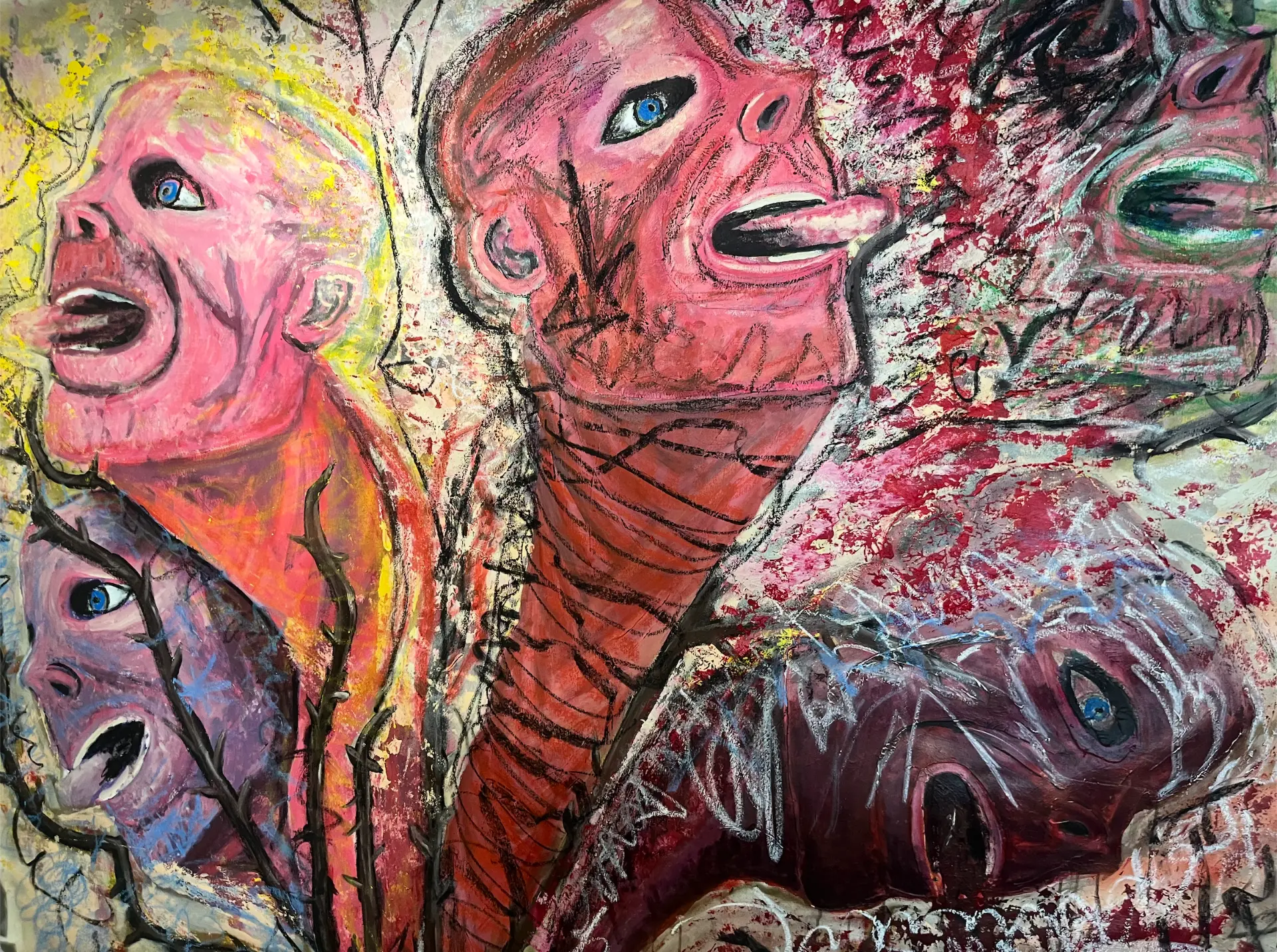
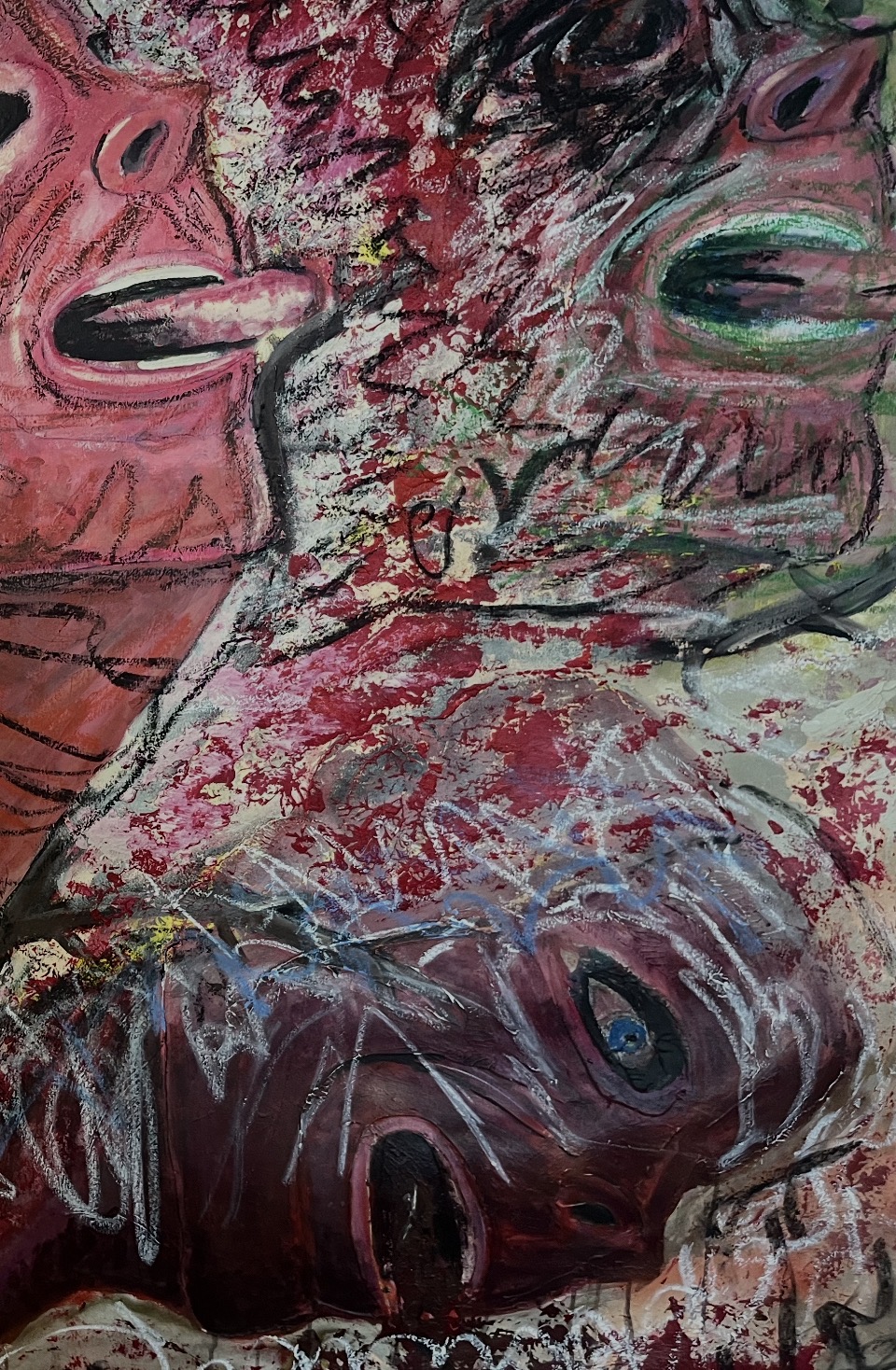
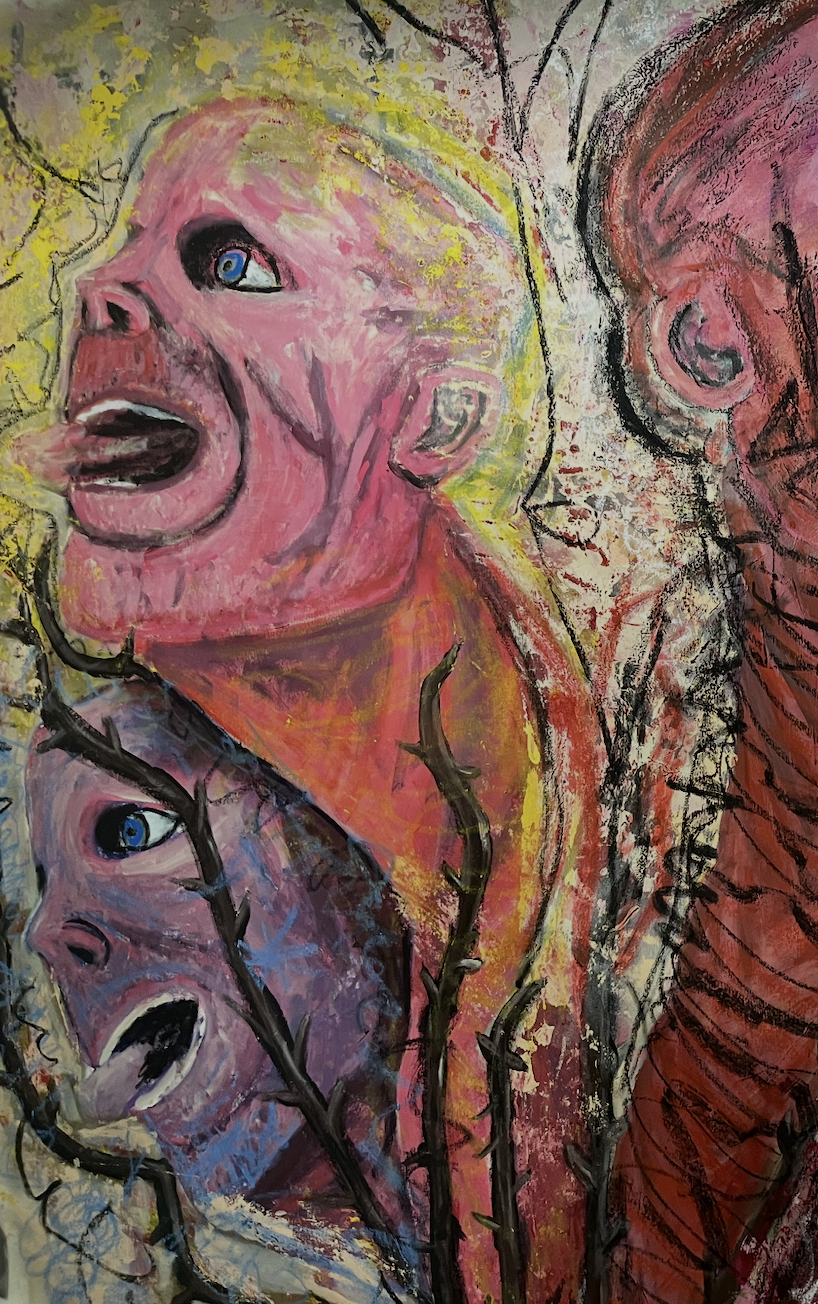
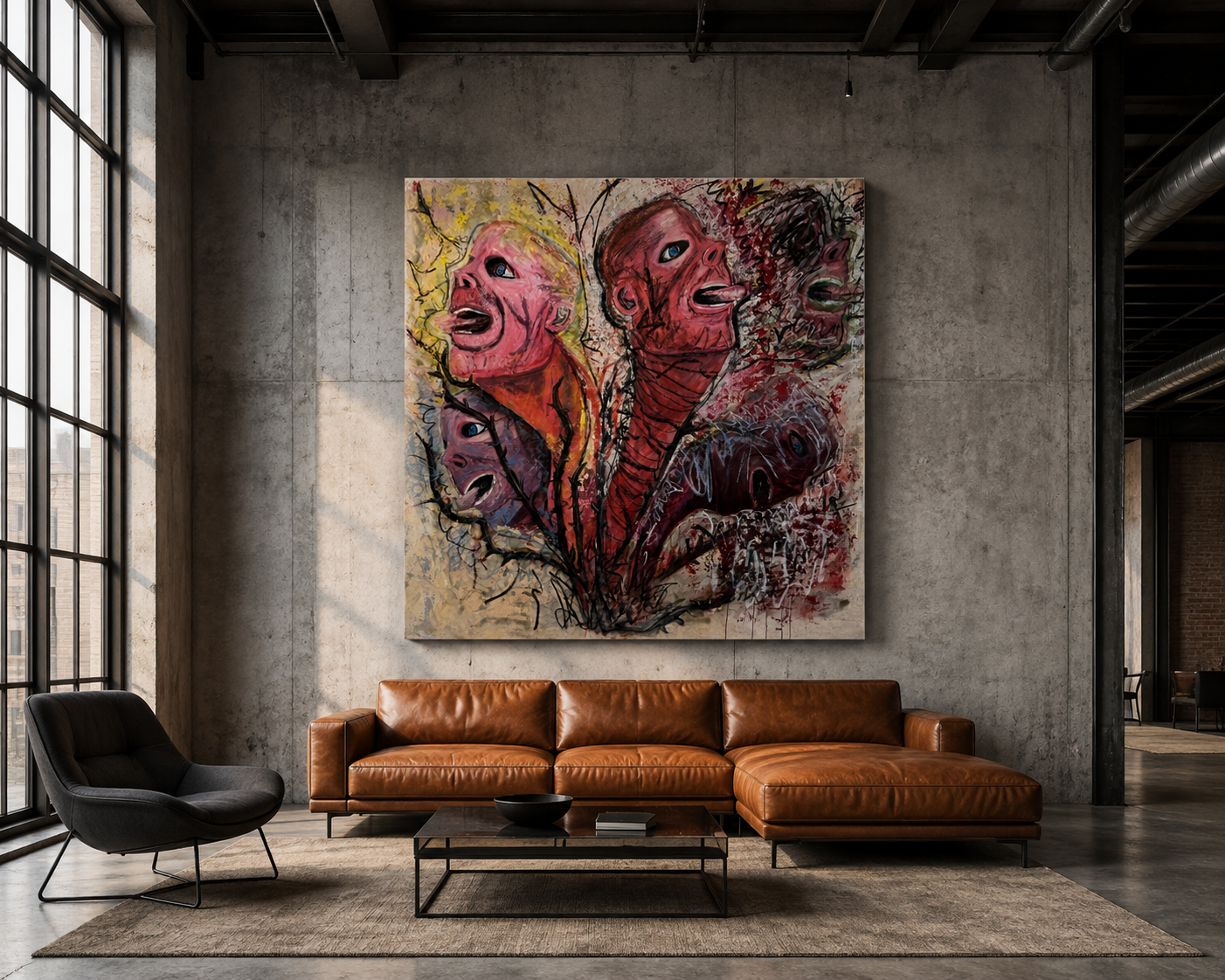
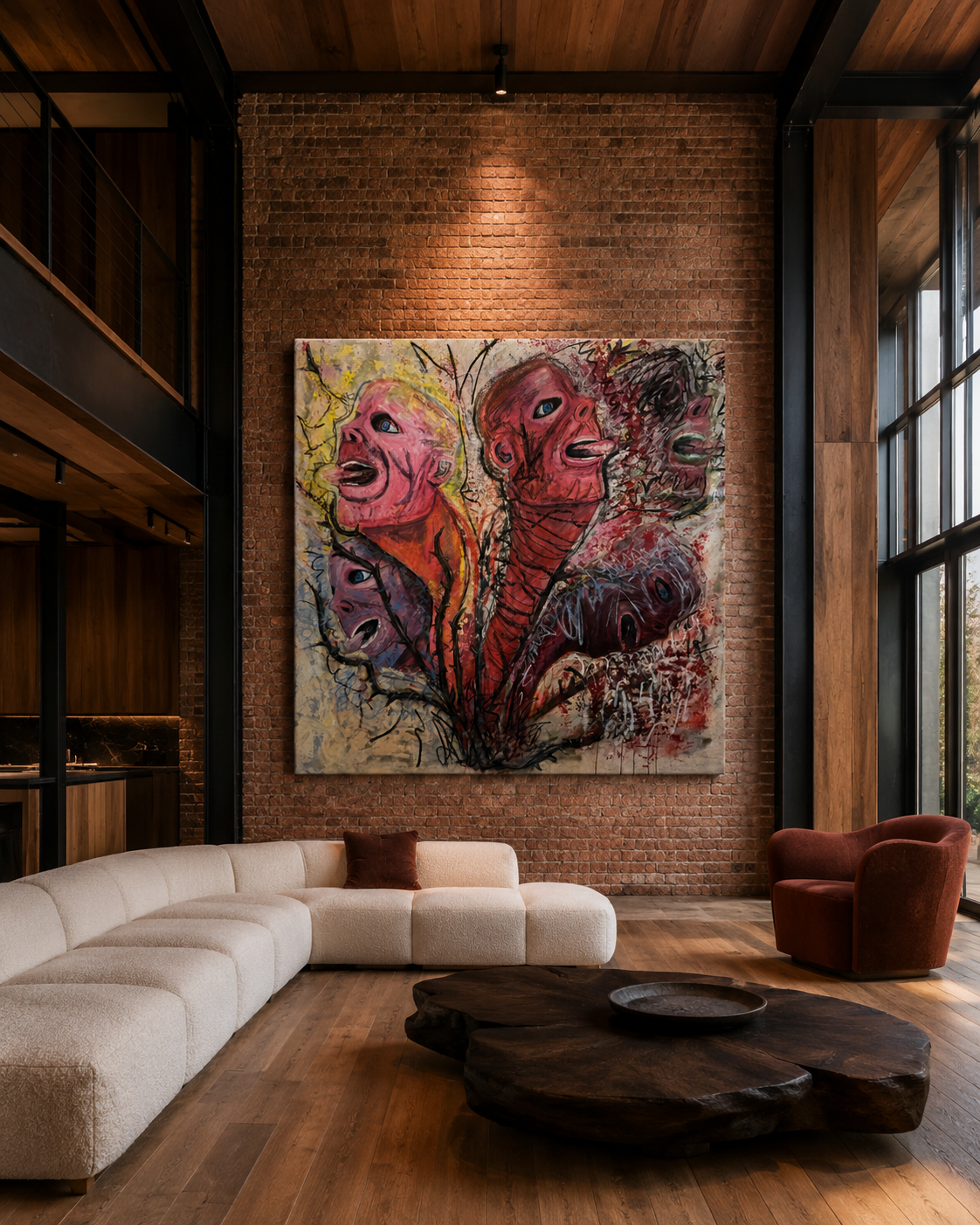
Inner noise rendered as totem: the multiple voices that inhabit a single head when no one is looking.

Portrait of a childhood.

Painting as an attempt to sort out the noise, memory, and the multiple versions of oneself.

Self-portrait in the process of becoming. What emerges still does not know what it is.

The same piece, resolved: the face settles between the blue calligraphy and the flesh red. What was in gestation finds its form.

The face burning in acid yellow against pink and turquoise. The portrait keeps mutating.

The face mutates again, this time burning in intense red. The same piece, another version of itself.

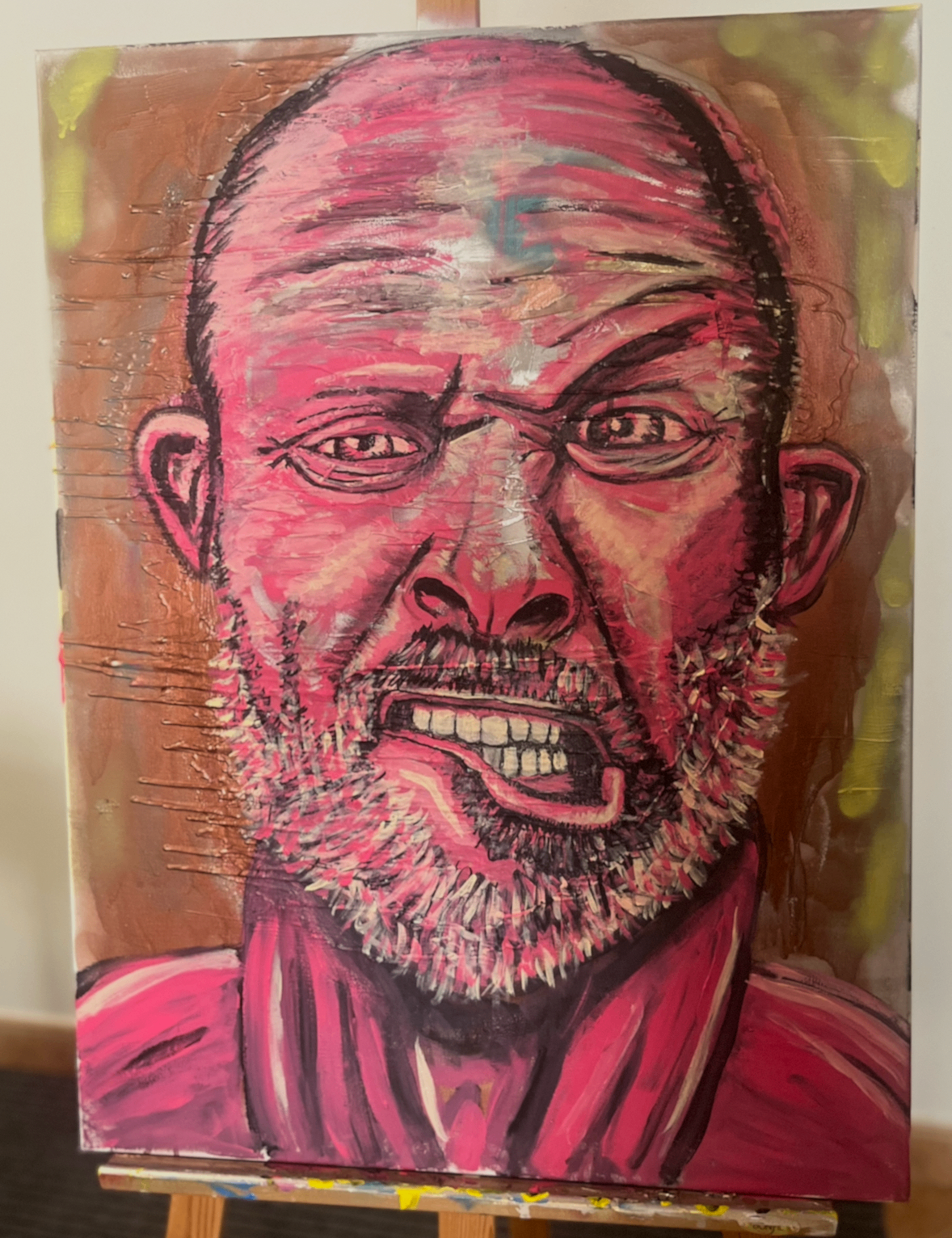
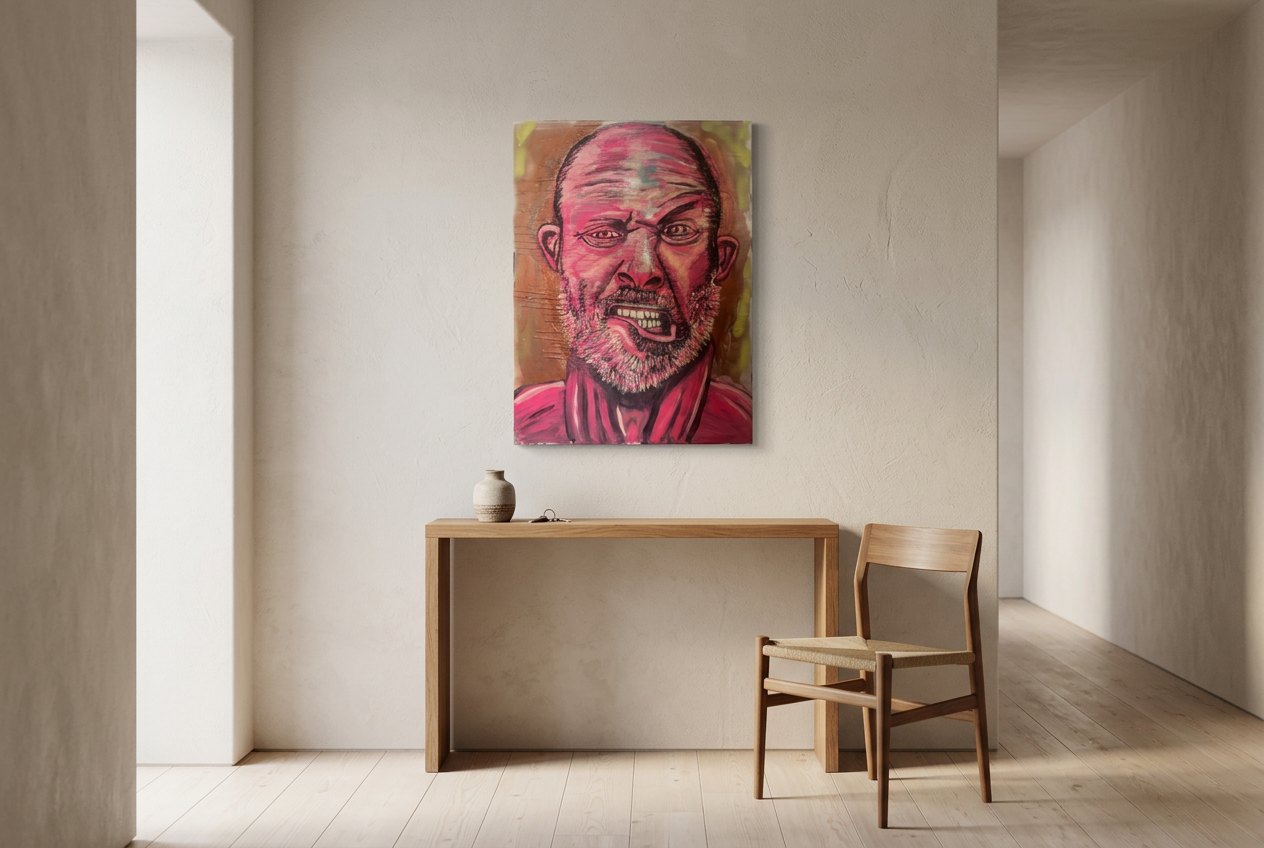
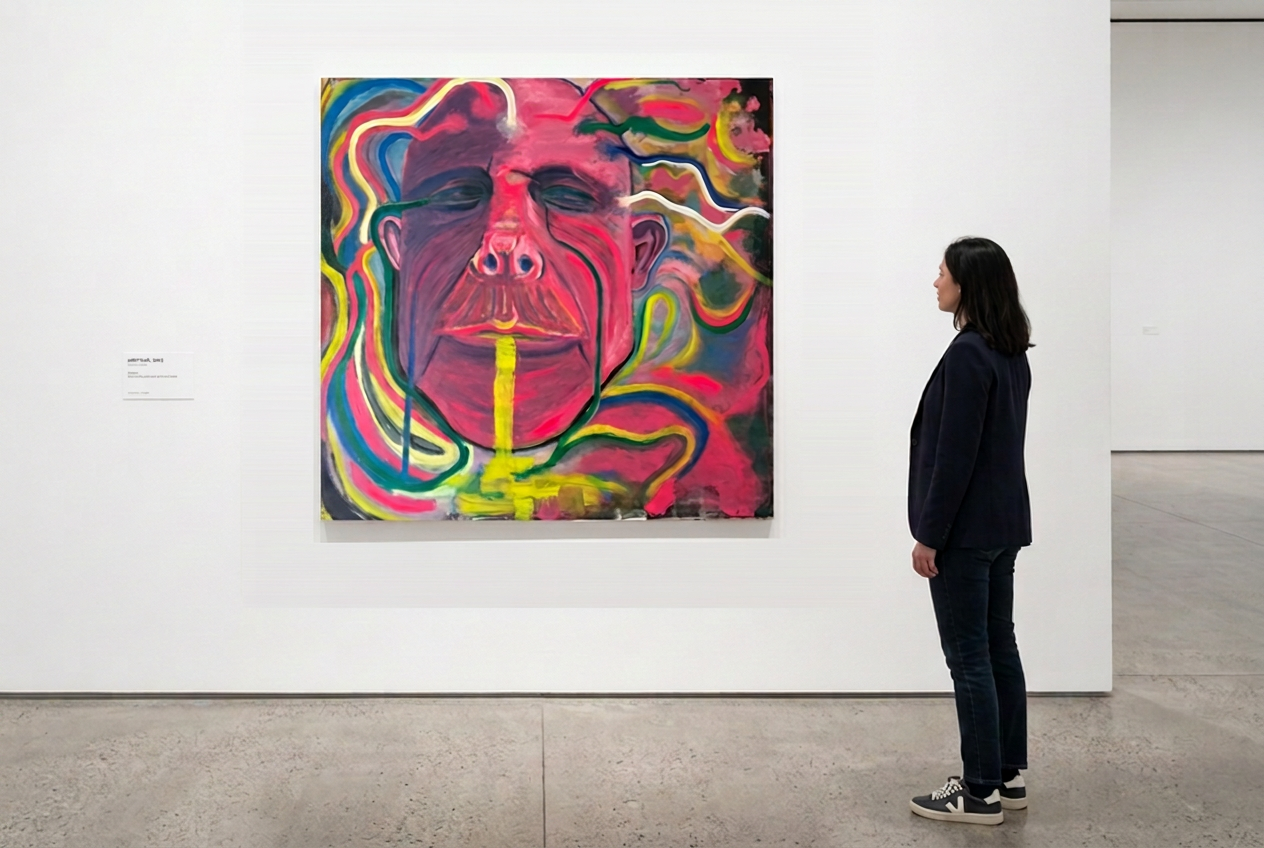
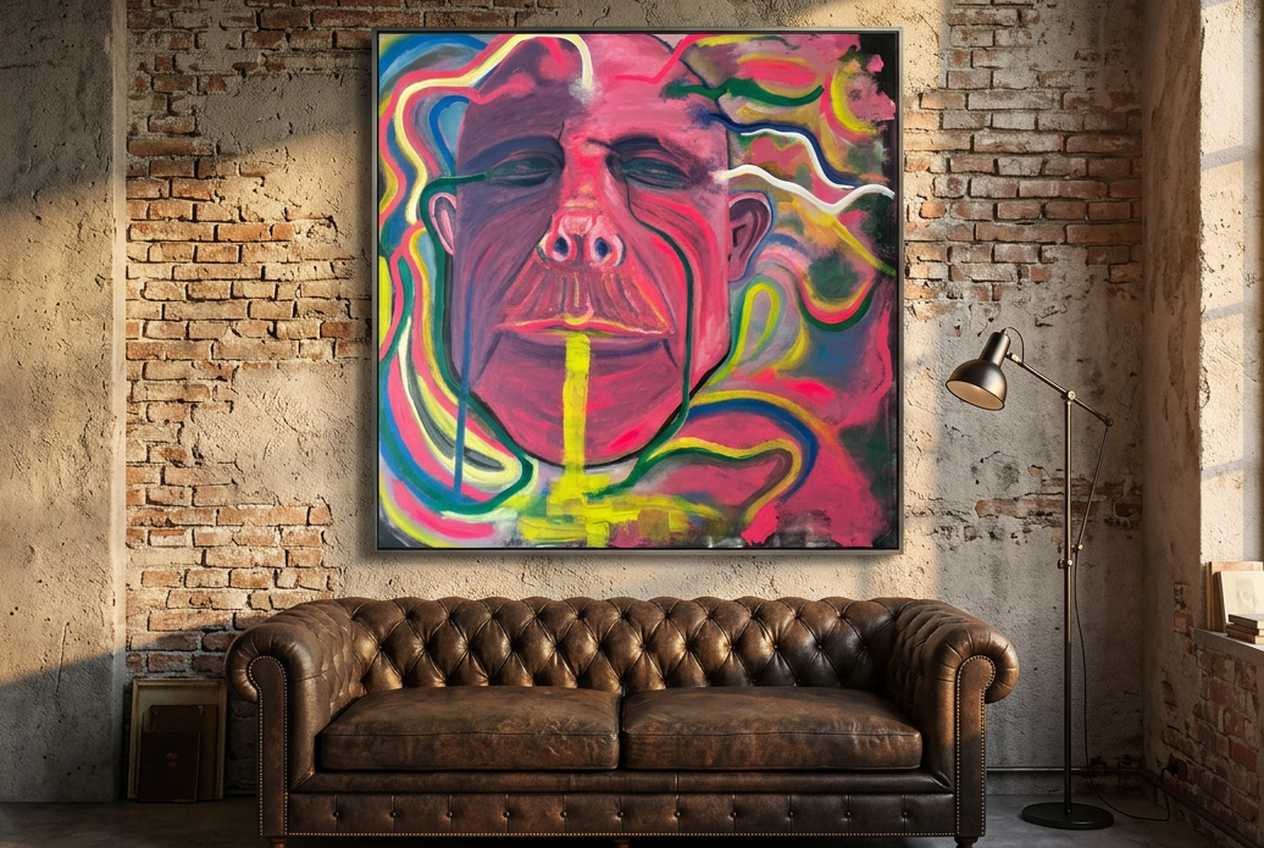
The face erupts in electric pink against an earthy background. A contained rage that can no longer hold itself in silence.
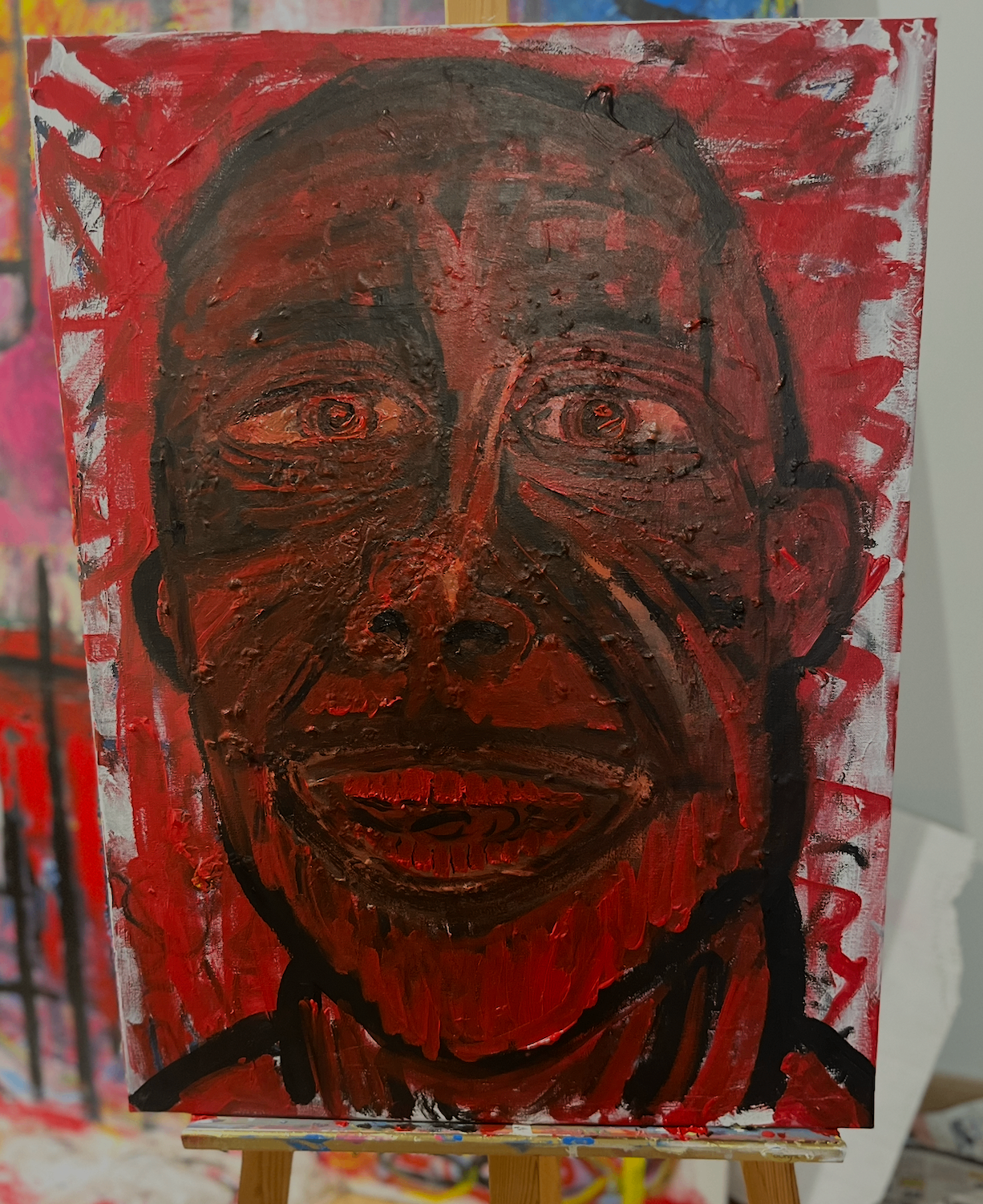
A smile that cannot hold itself together. The yellow vibrates while the tears run from within.
02 — Pop / Political / Fun
Painting also to point, to laugh, and to disarrange the noise.
Pop / Political / Fun
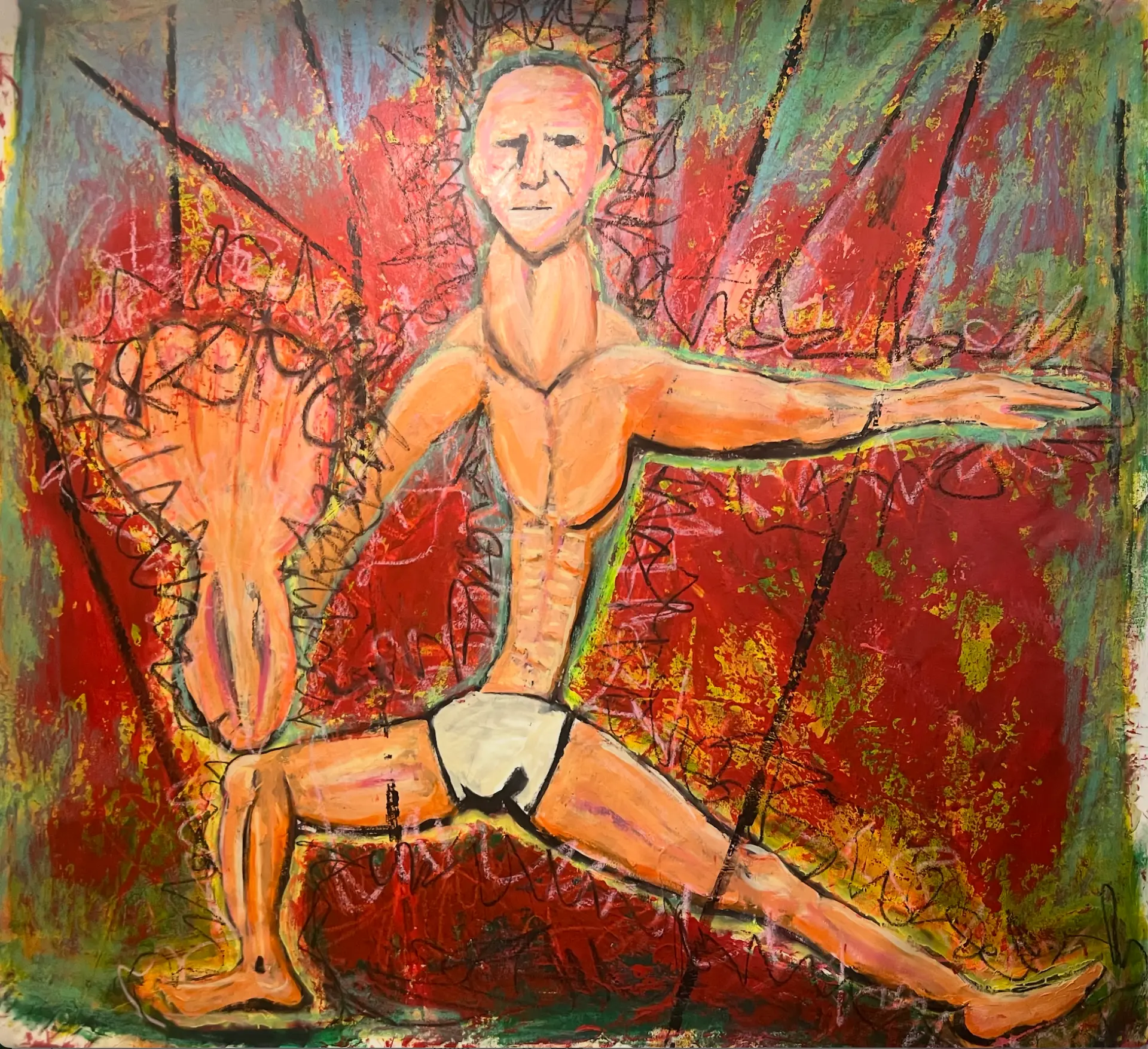
A parallel branch of the work: more narrative, satirical, and deliberately popular pieces. Here the painting allows itself to laugh, to point, and to exaggerate. Contemporary iconography, everyday chemistry, and digital mythologies treated with the same technical seriousness as the self-portraits, but at a different temperature: more noise, more color, more bite.

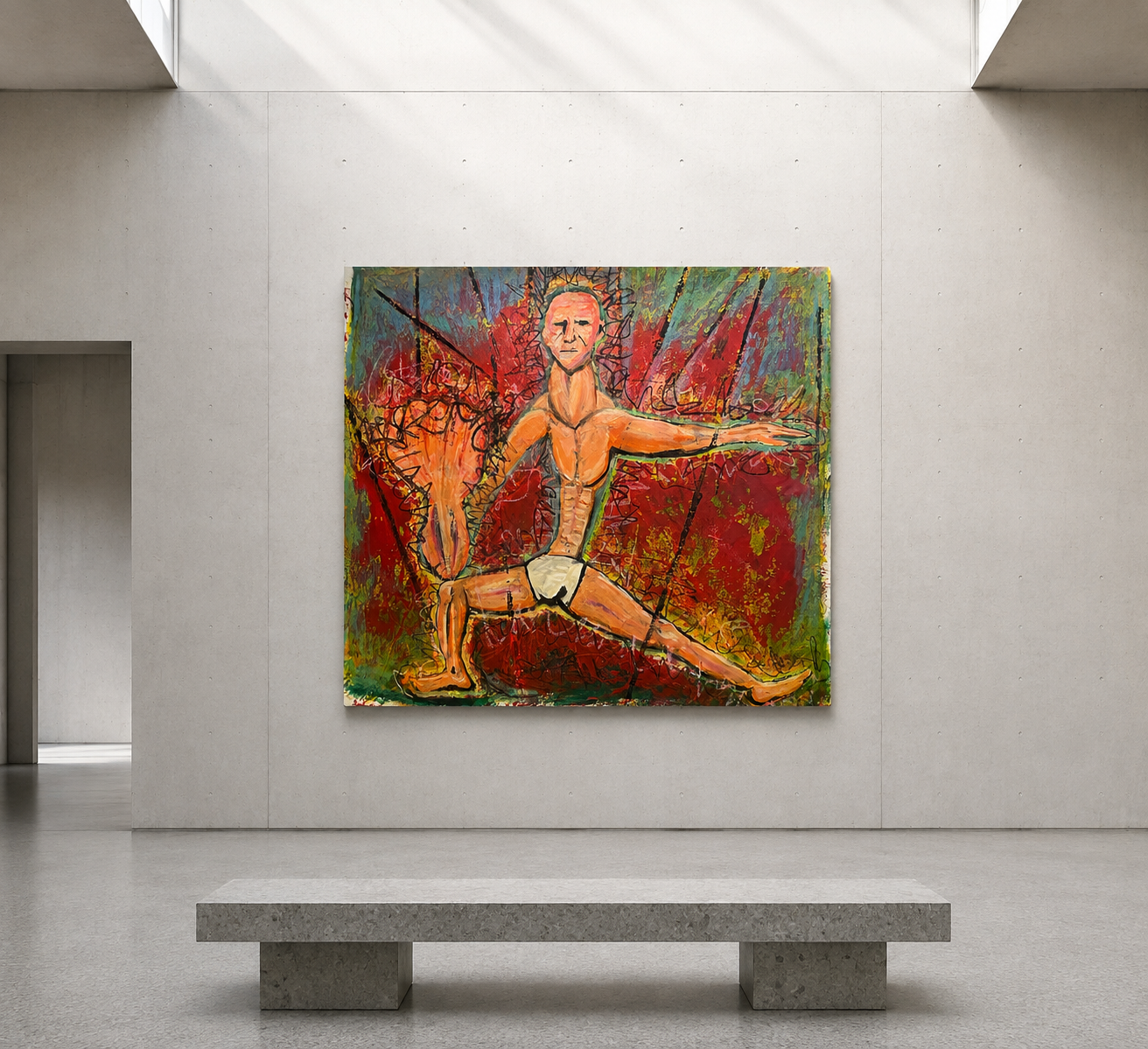
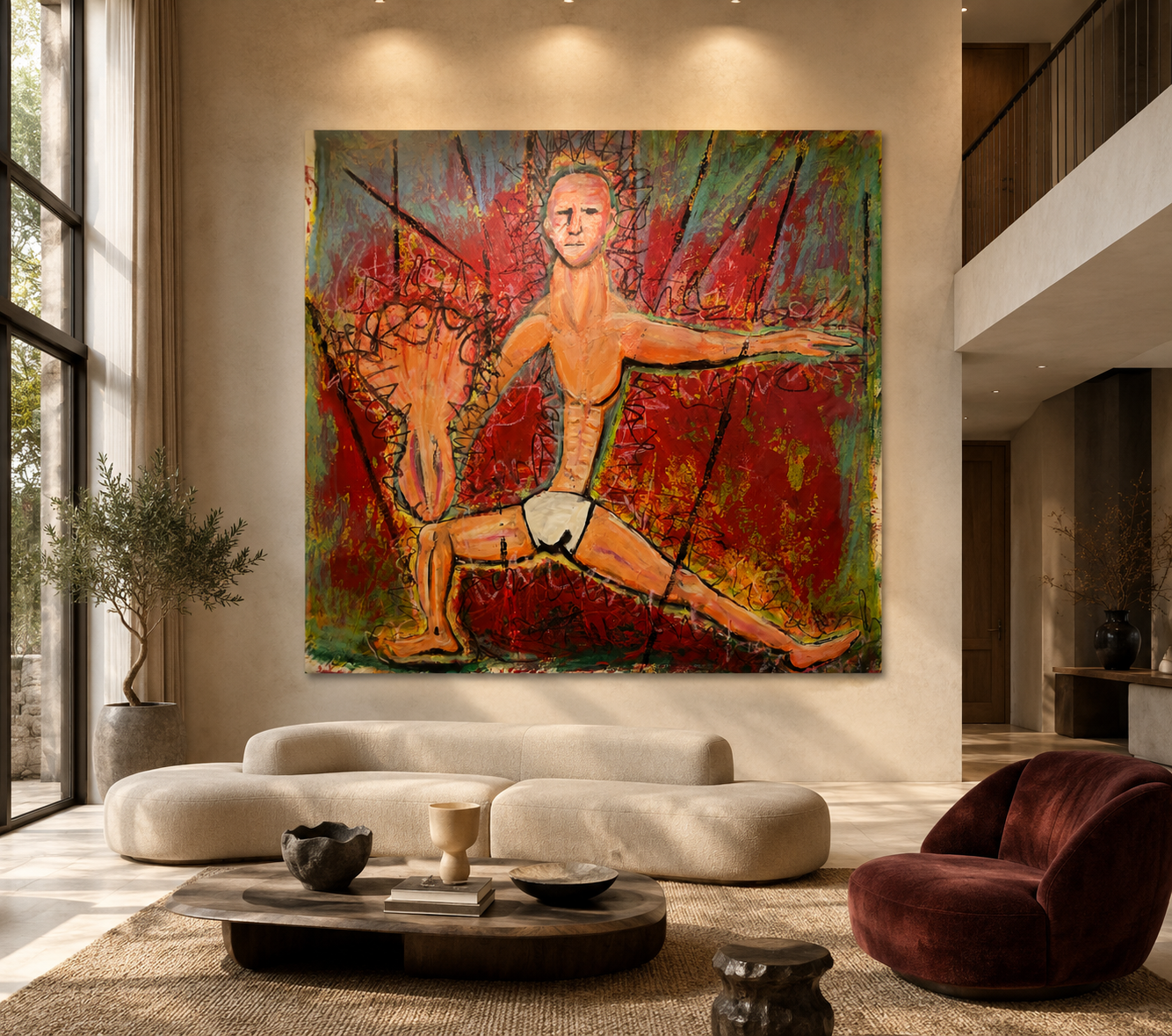
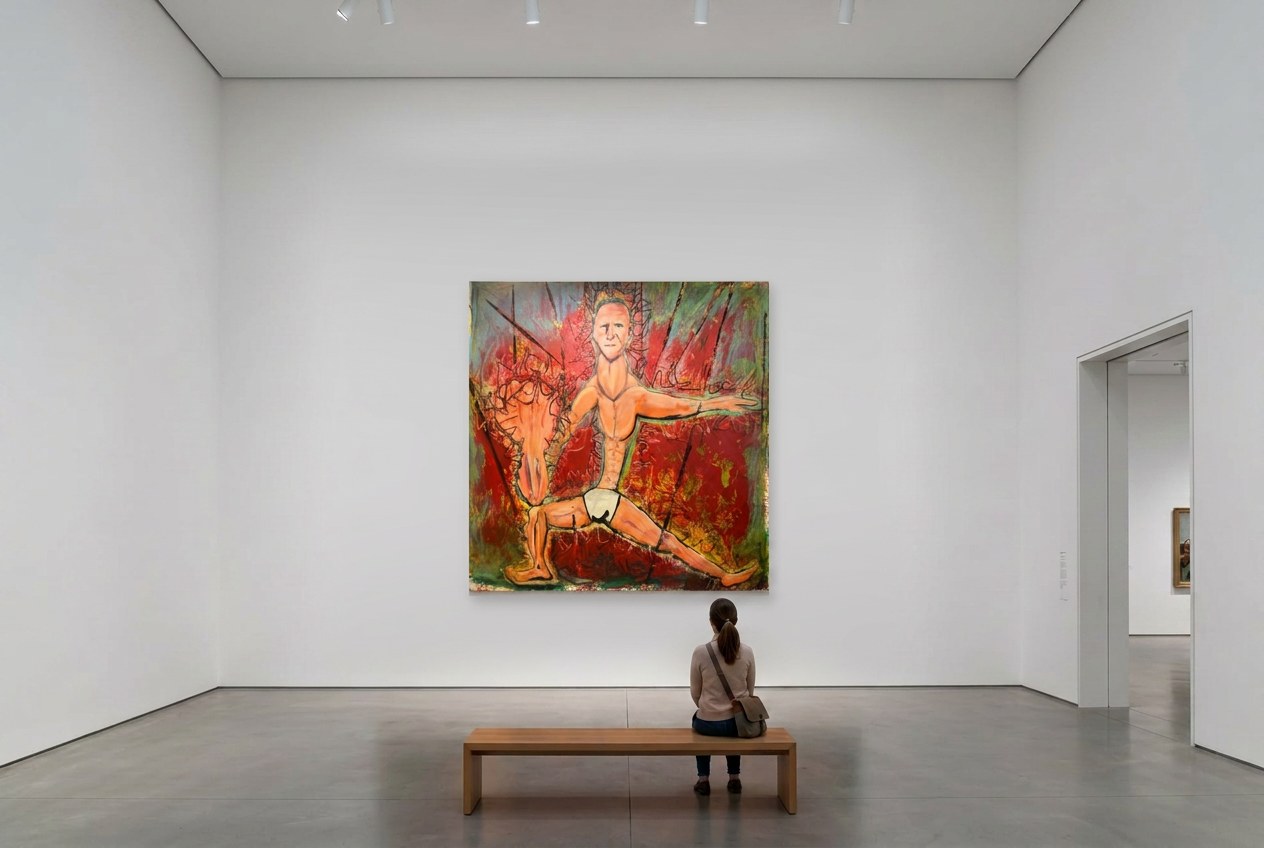
A contemporary altarpiece in which technocracy proclaims its own sainthood. A bonfire of the vanities. The technology that replaces men takes on human qualities and the cycle begins again. "We are made in his image and likeness."

Pharmacological balance — 2026. 60x80

03 — Past
What was already there before I knew it would be.
Past
Earlier works that already carried the seed of everything that followed: face, text on the canvas, saturated color, and unfiltered emotion. The past understood not as archive but as root; the questions that appear here still pulse through the current work.

A childhood portrait crossed by words: Mamá, Dad, Why, hurt, Pain, Family. The blue face floats between an orange sun and a pink field written by hand. A raw piece where language has not yet separated from the paint.
04 — Abstract
The self without a face: pattern, band, and sample chart.
Abstract
A detour from the face: painting as system, as chromatic repetition, as sample chart. Here the self appears without features — only bands, columns, and patterns that work as emotional diagrams.

Samples of self — 2026. 20x30

The pattern — 2026. 30x30